Living in Yokohama, Kanagawa: A Complete Guide to Pros, Cons, and Practical Information for Foreign Residents
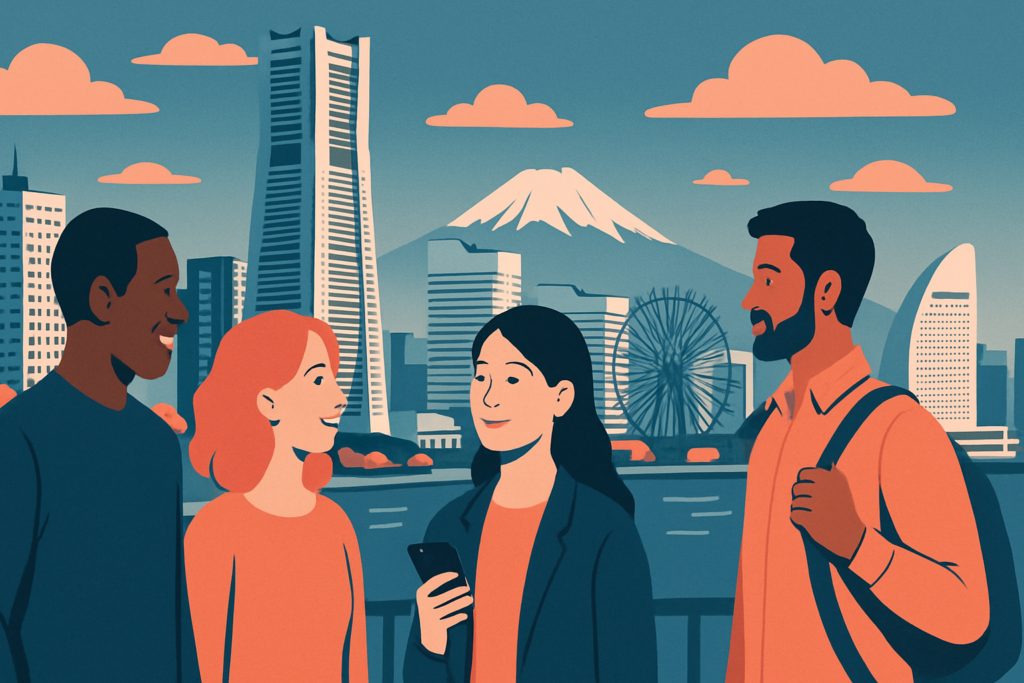
Original edition: historical reference (see the 2026 update above)
Introduction to Yokohama
Yokohama, the capital city of Kanagawa Prefecture, stands as Japan’s second-largest city by population and serves as a major international port with a rich multicultural heritage. Located approximately 30 kilometers south of Tokyo, Yokohama offers residents the unique combination of urban sophistication, international atmosphere, and coastal charm while maintaining excellent connectivity to the capital.
For foreign nationals considering relocation to Japan, Yokohama presents a compelling option that balances cosmopolitan amenities with a more relaxed pace than central Tokyo. This comprehensive guide examines the practical realities of living in Yokohama, including verified statistics, municipal services, and both advantages and challenges you should consider.
Population and Foreign Resident Statistics
According to official data from the Yokohama City government, as of October 1, 2023, Yokohama has a total population of approximately 3,773,214 residents. The foreign resident population stands at approximately 105,206 people, representing roughly 2.8% of the total population.
The largest foreign resident communities include:
- Chinese nationals: approximately 45,000 residents
- Korean nationals: approximately 14,000 residents
- Vietnamese nationals: approximately 8,000 residents
- Filipino nationals: approximately 7,000 residents
- Other nationalities: approximately 31,000 residents
Reference Date: October 1, 2023
Official Source: Yokohama City Statistical Portal (横浜市統計ポータルサイト)
This diverse international community has contributed to Yokohama’s infrastructure of multilingual services, international schools, and culturally diverse neighborhoods, particularly in areas like Naka Ward (where Yokohama Chinatown is located) and the Minato Mirai district.
Location and Accessibility
RENTAL LISTING SNAPSHOT
Real rental examples around Yokohama
These listings were found on SUUMO and checked on October 20, 2026. Availability changes quickly. For foreign-resident acceptance, guarantor requirements, documents, initial costs or detailed conditions, ask Japan Live before applying.
築36年
JR根岸線/根岸駅 歩10分
神奈川県横浜市磯子区原町Get move-in tips →
Source listing on SUUMO ↗
築99年以上
ブルーライン/阪東橋駅 歩16分
神奈川県横浜市南区山谷Get move-in tips →
Source listing on SUUMO ↗
築59年
相鉄本線/鶴ケ峰駅 バス12分 (バス停)川井宿 歩8分
神奈川県横浜市旭区川井宿町Get move-in tips →
Source listing on SUUMO ↗
Browse all current Yokohama rentals on SUUMO ↗
Checked October 20, 2026. Listings are examples, not recommendations. Japan Live is not the listing agent and does not guarantee availability or approval.
Commute Times and Transportation
Yokohama’s extensive rail network provides excellent connectivity both within the city and to neighboring areas:
Major Commute Routes from Yokohama Station:
- To Tokyo Station: Approximately 25-30 minutes via JR Tokaido Line
- To Shibuya: Approximately 28 minutes via JR Shonan-Shinjuku Line
- To Shinjuku: Approximately 35 minutes via JR Shonan-Shinjuku Line
- To Shinagawa: Approximately 18 minutes via JR Tokaido Line
- To Haneda Airport: Approximately 30 minutes via Keikyu Line
The city is served by multiple rail operators including JR East, Tokyu, Keikyu, Sotetsu, and the Yokohama Municipal Subway (Blue Line and Green Line). Yokohama Station itself is one of Japan’s largest rail hubs, handling over 2 million passengers daily across multiple lines.
Within Yokohama, the subway system connects major districts, while extensive bus networks cover areas not served by rail. The Minato Mirai Line provides convenient access to the waterfront development areas.
Rent Estimates in Yokohama
IMPORTANT NOTE: The following are estimates based on market surveys and may vary significantly based on property age, exact location, station proximity, and market conditions. Always verify current prices directly with real estate agencies.
Estimated Monthly Rent Ranges (as of late 2026/early 2026):
Central Areas (Nishi Ward, Naka Ward, Minato Mirai):
- 1K/1DK (20-30㎡): ¥70,000-¥110,000
- 1LDK (35-45㎡): ¥100,000-¥160,000
- 2LDK (50-65㎡): ¥140,000-¥220,000
- 3LDK (70-85㎡): ¥180,000-¥300,000
Suburban Areas (Aoba Ward, Tsuzuki Ward, Totsuka Ward):
- 1K/1DK (20-30㎡): ¥50,000-¥80,000
- 1LDK (35-45㎡): ¥70,000-¥120,000
- 2LDK (50-65㎡): ¥90,000-¥150,000
- 3LDK (70-85㎡): ¥120,000-¥200,000
Generally, Yokohama offers more affordable housing than central Tokyo wards while maintaining excellent access to the capital. Popular residential areas for foreign residents include Yamashita-cho, Motomachi, Tsurumi, and the areas along the Tokyu Toyoko Line.
Shopping and Commercial Facilities
Yokohama offers extensive shopping options ranging from major department stores to international supermarkets:
Major Shopping Centers:
- Yokohama Takashimaya: Premium department store located at Yokohama Station
- Sogo Yokohama: Large department store with extensive fashion, food, and household goods
- Lumine Yokohama: Fashion-focused shopping complex at Yokohama Station
- Mark IS Minato Mirai: Modern shopping mall in the waterfront district
- Colette Mare: Shopping complex in Sakuragicho
- World Porters: International-themed shopping center in Minato Mirai
- Yokohama Porta: Underground shopping arcade at Yokohama Station
International Supermarkets and Food:
- Costco Wholesale Kanazawa-Seaside: American-style warehouse club
- Kaldi Coffee Farm: Multiple locations offering imported foods
- Seijo Ishii: Upscale supermarket with imported products
- Yokohama Chinatown: Japan’s largest Chinatown with over 500 shops and restaurants
- The Garden Azamino: Shopping center in northern Yokohama
The diversity of shopping options reflects Yokohama’s international character, making it relatively easy for foreign residents to find familiar products and ingredients.
Medical Facilities and Healthcare
Yokohama provides comprehensive healthcare services with several hospitals offering multilingual support:
Major Hospitals:
- Yokohama City University Hospital: Advanced medical care facility with some English support (236 Fukuura, Kanazawa-ku)
- Yokohama Rosai Hospital: Large general hospital (3211 Kozukue-cho, Kohoku-ku)
- Saiseikai Yokohama City Eastern Hospital: General hospital with emergency services (3-6-1 Shimosueyoshi, Tsurumi-ku)
- St. Marianna University Yokohama City Seibu Hospital: General hospital in western Yokohama (1197-1 Yasashi-cho, Asahi-ku)
- Kanagawa Children’s Medical Center: Specialized pediatric care (2-138-4 Mutsukawa, Minami-ku)
International Clinics:
- Yokohama International Clinic: English-speaking doctors, located in Yamashita-cho
- Raffles Medical Yokohama: International clinic at Landmark Tower, Minato Mirai
- Primary Care Tokyo (Yokohama Office): English-language medical services
Official Medical Information Resource: The Yokohama City Medical Association maintains a searchable database at the City’s official medical information portal. For emergency multilingual medical consultations, contact the Yokohama City Emergency Medical Information Center.
Municipal Services and Multilingual Support
Yokohama City provides comprehensive multilingual services for foreign residents:
Yokohama International Association (YOKE):
Location: PACIFICO Yokohama, 1-1-1 Minato Mirai, Nishi-ku
Services available in English, Chinese, Korean, Spanish, and Portuguese:
- Information and consultation services
- Daily life support and advice
- Japanese language classes
- Cultural exchange programs
- Disaster preparedness information
Ward Office Services:
Yokohama has 18 administrative wards (ku), each with a ward office providing resident services. Many ward offices offer multilingual consultation services on specific days. Key services include:
- Resident registration (Juminhyo)
- My Number Card applications
- National Health Insurance enrollment
- Pension procedures
- Tax information
- Child allowance applications
Multilingual Call Center:
Yokohama City operates a multilingual consultation service providing information about administrative procedures, daily life, and disaster prevention in English, Chinese, Korean, Spanish, and Portuguese.
International Schools and Education:
- Yokohama International School (YIS)
- Saint Maur International School
- Canadian International School
- Deutsche Schule Tokyo Yokohama (German School)
- Yokohama Chinese School
Public schools in some areas also offer Japanese language support for foreign children.
Pros of Living in Yokohama
1. International Atmosphere
With over 100,000 foreign residents and a long history as an international port city, Yokohama offers a welcoming environment for foreigners. The multicultural heritage is visible in neighborhoods like Chinatown, Motomachi, and Yamate.
2. Excellent Transportation
Multiple train lines provide convenient access to Tokyo and surrounding areas. Commute times to central Tokyo are reasonable, and Haneda Airport is easily accessible.
3. Lower Living Costs than Central Tokyo
While still an urban area, Yokohama generally offers lower rent and living costs compared to Tokyo’s central wards, particularly in suburban areas.
4. Coastal Location and Parks
The waterfront location provides recreational opportunities, and the city maintains numerous parks including Yamashita Park, Sankeien Garden, and Yokohama Zoo.
5. Comprehensive Multilingual Support
The city government actively supports foreign residents with multilingual services, information resources, and consultation facilities.
6. Modern Infrastructure
Areas like Minato Mirai showcase modern urban development with state-of-the-art facilities, shopping, and entertainment options.
7. Strong Healthcare System
Multiple hospitals and clinics, including facilities with English-speaking staff, provide quality medical care.
8. Family-Friendly Environment
Good schools, parks, and family-oriented facilities make Yokohama attractive for families with children.
9. Rich Cultural Scene
Museums, galleries, festivals, and cultural events offer diverse entertainment options throughout the year.
10. Food Diversity
From Chinatown to international restaurants and imported food supermarkets, diverse culinary options are readily available.
Cons of Living in Yokohama
1. Commute Distances
While public transportation is excellent, commuting to central Tokyo requires 30-60 minutes depending on your exact locations, which can be tiring for daily office workers.
2. Crowded Trains During Rush Hour
Major lines connecting to Tokyo experience severe crowding during morning and evening rush hours, particularly at Yokohama Station.
3. Coastal Weather Considerations
The coastal location brings humidity, occasional typhoon impacts, and concerns about tsunami risks in waterfront areas.
4. Limited Late-Night Entertainment Compared to Tokyo
While Yokohama has nightlife, it’s more limited than Tokyo’s 24-hour entertainment districts.
5. Spread-Out Geography
Yokohama covers a large area, and some suburban neighborhoods feel quite distant from central amenities and may require transfers between train lines.
6. Tourist Crowds in Popular Areas
Areas like Minato Mirai, Chinatown, and Yamashita Park attract large tourist crowds, especially on weekends and holidays.
7. Limited Job Market Compared to Tokyo
While major companies have offices in Yokohama, the job market, particularly for foreign professionals, is smaller than Tokyo’s.
8. Some Areas Lack Multilingual Support
While central areas offer good multilingual services, some suburban neighborhoods may have limited English-speaking resources.
9. Property Age Variation
Outside modern developments, some residential areas have older housing stock with fewer modern amenities.
10. Higher Competition for International Schools
Popular international schools may have waiting lists, requiring advance planning for families.
Moving to Yokohama: Essential Checklist
Before Arrival:
- Secure employment or proof of financial means
- Obtain appropriate visa/residence status
- Research neighborhoods and schools if bringing children
- Arrange temporary accommodation for house hunting
- Prepare required documents (passport, visa, certificates)
Upon Arrival (Within 14 Days):
- Register residence at your local ward office
- Apply for Residence Card (at immigration if not received at airport)
- Enroll in National Health Insurance (if not covered by employer)
- Apply for My Number Card
- Register hanko (personal seal) if planning to use one
First Month:
- Open a Japanese bank account
- Set up utilities (electricity, gas, water, internet)
- Arrange mobile phone service
- Register children for school if applicable
- Locate nearby medical facilities
- Obtain necessary insurance (health, liability, earthquake)
- Learn local waste separation rules from ward office
Ongoing:
- Attend community events to meet neighbors
- Consider Japanese language classes if needed
- Register with your embassy/consulate
- Join expat communities or local groups
- Familiarize yourself with disaster preparedness procedures
Frequently Asked Questions
Is Yokohama expensive to live in?
Yokohama is generally more affordable than central Tokyo but more expensive than regional Japanese cities. Rent tends to be 20-30% lower than comparable Tokyo locations, though costs vary significantly by neighborhood.
Do I need to speak Japanese to live in Yokohama?
While many residents speak only Japanese, Yokohama offers more multilingual support than most Japanese cities. Central areas and international communities provide English resources, but learning basic Japanese significantly improves daily life quality.
How long does it take to commute to Tokyo from Yokohama?
From Yokohama Station to major Tokyo stations: 18-35 minutes. However, from suburban Yokohama areas or to specific Tokyo locations, total commute times can reach 60-90 minutes including transfers.
Is Yokohama safe for foreign residents?
Yes, Yokohama maintains low crime rates typical of Japanese cities. The city is considered very safe for foreign residents, families, and solo residents.
What are the best neighborhoods for foreign residents?
Popular areas include Minato Mirai and surrounding areas (modern, convenient), Motomachi/Yamate (historic international area), areas along the Tokyu Toyoko Line (good Tokyo access), and neighborhoods near international schools for families.
Can I find English-speaking doctors in Yokohama?
Yes, several clinics and hospitals offer English-speaking services, particularly international clinics in central areas and some departments at major hospitals.
Are there good international schools in Yokohama?
Yes, Yokohama has several established international schools offering various curricula (IB, American, British, German, Chinese), though spaces may be limited at popular schools.
What is the foreigner population like in Yokohama?
As of October 2023, approximately 105,206 foreign residents live in Yokohama (about 2.8% of the population), with the largest communities being Chinese, Korean, Vietnamese, and Filipino nationals.
How is public transportation in Yokohama?
Excellent. Multiple rail operators and subway lines connect the city internally and to Tokyo. Bus networks cover areas without rail access. Most stations have English signage.
Does Yokohama have good shopping for international products?
Yes, Yokohama offers numerous options including Costco, international supermarkets, import food stores, and Chinatown for Asian ingredients.
Official Resources and Support
For official information and support services:
- Yokohama City Official Website (English): Comprehensive municipal information and services
- Yokohama International Association (YOKE): Consultation and support for foreign residents
- Ward Office Multilingual Services: Contact your local ward office for specific services
- Immigration Services Agency: For visa and residence status matters
- Kanagawa International Foundation: Additional support and resources at prefectural level
Conclusion
Yokohama offers foreign residents a unique combination of international atmosphere, urban amenities, and relative affordability compared to Tokyo. The city’s long history as an international port has created infrastructure and support systems that welcome foreign nationals, from multilingual municipal services to diverse international communities.
The main advantages—excellent transportation, lower costs than Tokyo, comprehensive multilingual support, and cosmopolitan character—make Yokohama particularly attractive for professionals working in Tokyo who prefer a more relaxed residential environment, as well as families seeking international schools and a welcoming community.
However, prospective residents should consider the commute requirements if working in Tokyo, the spread-out geography requiring careful neighborhood selection, and the somewhat limited job market within Yokohama itself compared to the capital.
For those seeking a balance between international urban living and manageable costs while maintaining access to Tokyo’s opportunities, Yokohama represents one of Japan’s most appealing options for foreign residents.
Need Personalized Guidance for Your Move to Japan?
Every relocation situation is unique, and choosing the right location requires careful consideration of your specific needs, work situation, family requirements, and lifestyle preferences.
Our services can help:
- Take our Free Area Matching Diagnosis – Find the best neighborhood match based on your priorities and circumstances
- Book a Professional Consultation – Get personalized advice from relocation experts familiar with Yokohama and surrounding areas
We provide comprehensive support for foreign nationals relocating to the Greater Tokyo area, including Yokohama and Kanagawa Prefecture.
Original edition: historical reference (see the 2026 update above)
Disclaimer: This article is for informational purposes only. Rent estimates, business information, and commercial facility details may change. Always verify current information directly with official sources, real estate agencies, and service providers. Municipal procedures and requirements should be confirmed with Yokohama City authorities.
Where should you live?
Compare neighborhoods using your destination, realistic rent ceiling, commute limit, household and lifestyle priorities. Results are ranked with an explainable score instead of a fixed shortlist.
Travel times and rent bands are planning estimates, not live listings. Always verify the exact route, property and move-in conditions.
We can help you understand what to check before moving: rental documents, move-in costs, utilities, local services and everyday living rules. Tell us what you need help with.
Get practical Japan living tips →