Edogawa Tokyo: Complete Living Guide for Foreign Residents 2026
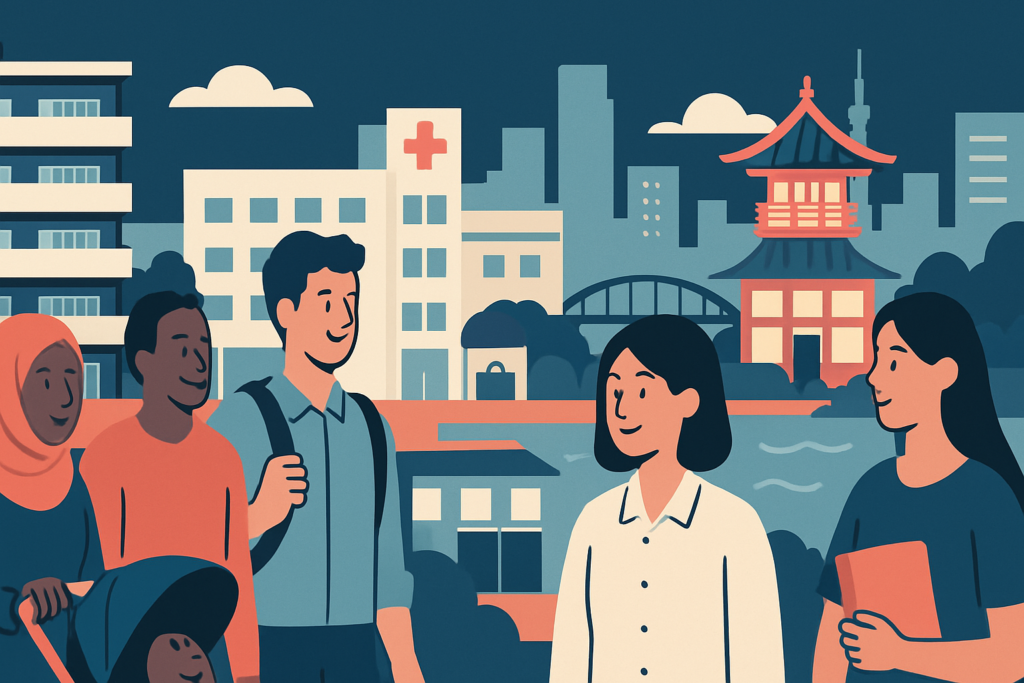
Original edition: historical reference (see the 2026 update above)
Introduction to Edogawa Ward
Edogawa Ward (江戸川区, Edogawa-ku) is one of Tokyo’s 23 special wards, located in the eastern part of the metropolis. Bordered by the Edogawa River to the east (which separates it from Chiba Prefecture) and the Arakawa River to the west, this ward offers a unique blend of residential tranquility, natural spaces, and affordability that makes it increasingly attractive to both Japanese families and foreign residents seeking alternatives to Tokyo’s more expensive central districts.
Known for its extensive parks, family-friendly atmosphere, and relatively spacious housing options, Edogawa presents a compelling option for those willing to accept slightly longer commutes in exchange for more living space and lower costs. This guide provides comprehensive, verified information to help you determine whether Edogawa Ward is the right choice for your Tokyo life.
Population and Demographics
According to official data from the Edogawa Ward Office, as of January 1, 2024, the total population stands at approximately 696,000 residents, making it one of Tokyo’s more populous wards. The ward covers an area of 49.90 square kilometers, resulting in a population density lower than central Tokyo wards, which contributes to its more spacious residential feel.
The foreign resident population in Edogawa Ward is significant and diverse. Based on the most recent available official statistics from the Tokyo Metropolitan Government Bureau of General Affairs (as of January 2023), Edogawa Ward had approximately 41,500 registered foreign residents, representing about 6% of the total population. The largest nationalities include Chinese, Korean, Indian, Nepalese, and Vietnamese communities, creating a multicultural environment with supporting infrastructure including ethnic grocery stores and restaurants.
Geographic Location and Access
Edogawa Ward is situated in eastern Tokyo, bordered by Katsushika Ward to the north, Koto Ward to the west, and Chiba Prefecture to the east across the Edogawa River. The southern edge faces Tokyo Bay. Major stations serving the area include Nishi-Kasai, Kasai, Koiwa, and Shinozaki.
RENTAL LISTING SNAPSHOT
Real rental examples around Edogawa
These listings were found on SUUMO and checked on October 20, 2026. Availability changes quickly. For foreign-resident acceptance, guarantor requirements, documents, initial costs or detailed conditions, ask Japan Live before applying.
築43年
京成本線/京成小岩駅 歩11分
東京都江戸川区北小岩7Get move-in tips →
Source listing on SUUMO ↗
築34年
都営新宿線/瑞江駅 歩11分
東京都江戸川区江戸川2Get move-in tips →
Source listing on SUUMO ↗
築20年
都営新宿線/篠崎駅 歩6分
東京都江戸川区篠崎町1Get move-in tips →
Source listing on SUUMO ↗
Browse all current Edogawa rentals on SUUMO ↗
Checked October 20, 2026. Listings are examples, not recommendations. Japan Live is not the listing agent and does not guarantee availability or approval.
Commute Times to Major Tokyo Stations
From Nishi-Kasai Station (served by Tokyo Metro Tozai Line):
- Otemachi: Approximately 17 minutes direct
- Tokyo Station: Approximately 20 minutes (via Otemachi)
- Shinjuku: Approximately 35-40 minutes (transfer required)
- Shibuya: Approximately 40-45 minutes (transfer required)
- Ikebukuro: Approximately 40 minutes (transfer required)
From Koiwa Station (served by JR Sobu Line):
- Tokyo Station: Approximately 20 minutes
- Akihabara: Approximately 15 minutes
- Shinjuku: Approximately 30 minutes
- Chiba: Approximately 20 minutes
The Tozai Line provides particularly convenient access to business districts in central Tokyo, though trains can become extremely crowded during rush hours. The JR Sobu Line offers excellent connectivity eastward to Chiba Prefecture.
Rent Estimates
Important Note: The following are estimates only based on market research as of late 2023/early 2024. Actual rents vary significantly based on property age, exact location, proximity to stations, and market conditions. These figures should be used for general budgeting only.
Estimated Monthly Rent Ranges in Edogawa Ward:
- 1K/1DK (studio/one-room): ¥55,000 – ¥75,000
- 1LDK: ¥75,000 – ¥100,000
- 2LDK: ¥95,000 – ¥140,000
- 3LDK: ¥130,000 – ¥180,000
These estimates represent properties within 10-15 minutes walking distance from major stations. Properties further from stations or in older buildings may be significantly cheaper, while newly constructed buildings closer to stations may exceed these ranges. Edogawa Ward generally offers 15-30% lower rents compared to central Tokyo wards like Shibuya, Shinjuku, or Minato.
Shopping and Commercial Facilities
Edogawa Ward offers extensive shopping options suitable for daily life:
Major Shopping Centers
- Ario Kasai: Large shopping mall near Kasai Station featuring fashion stores, electronics, restaurants, and a cinema complex
- Metro Nishi-Kasai: Shopping center directly connected to Nishi-Kasai Station with supermarkets, clothing stores, and dining options
- Shapo Funabori: Shopping complex at Funabori Station with various retail and dining establishments
- Koiwa Station Shopping Streets: Traditional shotengai (shopping streets) offering groceries, restaurants, and daily necessities
Supermarkets and Grocery Stores
The ward has excellent supermarket coverage including:
- Maruetsu: Multiple locations throughout the ward
- Life: Several branches offering standard groceries
- OK Store: Discount supermarket popular for competitive pricing
- Gyomu Super: Budget-friendly options with large package sizes
- Asian Grocery Stores: Particularly around Nishi-Kasai and Kasai areas, serving the large Indian and Chinese communities
Convenience Stores
All major chains (7-Eleven, Family Mart, Lawson) are well-represented throughout residential areas.
Medical Facilities and Healthcare
Edogawa Ward has adequate medical infrastructure for residents. According to the Edogawa Ward Office official website, the ward maintains a medical information system to help residents find appropriate healthcare facilities.
Major Hospitals
- Tokyo Rinkai Hospital: Comprehensive medical facility offering multiple departments and emergency services
- Edogawa Hospital: General hospital providing various medical specialties
- Koiwa Chuo Hospital: Located near Koiwa Station, offering general medical services
- Edogawa-ku Medical Center: Municipal facility providing healthcare services
Note: Medical facility information, including services offered and English-speaking staff availability, changes frequently. Always verify current services directly with facilities before visiting. The Edogawa Ward Office maintains an updated medical information guide on their official website.
Finding English-Speaking Medical Care
While not all facilities in Edogawa have extensive English support, the ward office provides medical information services. For comprehensive English-speaking medical facility searches across Tokyo, consider using the AMDA International Medical Information Center or Tokyo Metropolitan Government’s medical facility search system.
Municipal Office and Government Services
Edogawa Ward Office (Edogawa Kuyakusho)
Address: 6-2-1 Chuo, Edogawa-ku, Tokyo 132-8501
Nearest Station: Funabori Station (Toei Shinjuku Line), approximately 5 minutes walk
Official Website: https://www.city.edogawa.tokyo.jp/e/index.html
Services Available
- Residence registration (moving in/out notifications)
- My Number Card applications and collection
- National Health Insurance enrollment
- Pension procedures
- Tax certificates and payments
- Family register certificates (koseki)
- Resident certificates (juminhyo)
- Seal registration (inkan touroku)
Hours of operation are generally Monday to Friday, 8:30 AM to 5:00 PM (closed on national holidays and December 29 – January 3). Some services may be available on specific extended hours or Saturdays – check the official website for current information.
Multilingual Support Services
Edogawa Ward Office provides multilingual support services recognizing its diverse foreign resident population:
Official Multilingual Resources
- English Website: The ward maintains an English version of key municipal information at https://www.city.edogawa.tokyo.jp/e/index.html
- Multilingual Portal: Additional language support available at https://www.city.edogawa.tokyo.jp/multilingual/index.html
- Languages Supported: Information is available in English, Chinese, Korean, and other languages depending on the service
Living Support Services
- Consultation Services: The ward office provides consultation services for foreign residents on various topics including living procedures, education, and daily life matters
- Translation Support: Some interpretation services may be available for ward office procedures – inquire in advance for availability
- Community Information: The ward publishes multilingual information about community events, disaster preparedness, and important notifications
Note: Multilingual service availability and hours may vary. Contact the ward office in advance if you require specific language support for complex procedures.
Education Facilities
Edogawa Ward has extensive educational infrastructure:
International Schools
- Several international preschools and kindergartens operate in the area, particularly serving the Indian community around Nishi-Kasai
- For full international schools, residents typically commute to facilities in neighboring wards or central Tokyo
Japanese Public Schools
The ward operates numerous elementary schools (shogakko) and junior high schools (chugakko). Foreign children are eligible to enroll in public schools. Contact the ward office Education Division for enrollment procedures and available Japanese language support programs.
Parks and Recreation
One of Edogawa’s greatest strengths is its abundant green space:
- Kasai Rinkai Park: Massive waterfront park facing Tokyo Bay, featuring an aquarium, bird sanctuary, observation wheel, and extensive walking paths
- Shinozaki Park: Large park with sports facilities, pond, and seasonal flower displays
- Edogawa River Banks: Extensive riverside areas perfect for walking, cycling, and seasonal cherry blossom viewing
- Gyosen Park: Popular spot for cherry blossoms and traditional Japanese garden scenery
Advantages of Living in Edogawa Ward
Pros:
- Affordability: Significantly lower rent compared to central Tokyo wards, offering more space for your budget
- Green Spaces: Exceptional park coverage and riverside areas for outdoor activities and quality of life
- Family-Friendly: Spacious apartments, good schools, and safe residential neighborhoods make it ideal for families
- Multicultural Community: Established foreign resident communities, particularly Indian and Chinese, with supporting infrastructure
- Shopping Convenience: Excellent supermarket coverage and shopping facilities for daily needs
- Direct Access: Tozai Line provides no-transfer access to major business districts like Otemachi
- Natural Borders: Rivers provide scenic areas and clear geographic definition
- Lower Density: More spacious living environment compared to crowded central areas
- Growing Infrastructure: Ongoing development improving commercial and residential facilities
Disadvantages of Living in Edogawa Ward
Cons:
- Longer Commutes: Reaching western Tokyo destinations like Shibuya or Shinjuku requires 40+ minutes and transfers
- Rush Hour Congestion: The Tozai Line is notoriously crowded during morning rush hours
- Peripheral Location: Far from Tokyo’s main entertainment and cultural centers
- Limited Nightlife: Primarily residential with fewer dining and entertainment options compared to central wards
- Flood Risk: Low-lying areas near rivers face potential flooding concerns during heavy rain or typhoons
- Fewer International Amenities: Limited Western restaurants, imported goods stores compared to central Tokyo
- Language Barriers: While multilingual support exists, English proficiency in daily commercial settings may be limited
- Hospital Access: Fewer options for English-speaking medical care compared to central wards
- Cultural Activities: Limited access to museums, theaters, and major cultural venues
Moving to Edogawa Ward: Essential Checklist
Before Moving
- Research apartment options and visit multiple properties to compare value
- Verify commute times to your workplace during actual rush hour periods
- Check flood hazard maps (available from ward office) for your specific address
- Prepare necessary documents: passport, residence card, employment certificate
- Budget for initial costs: deposit (typically 1-2 months rent), key money (1-2 months), agent fees (1 month), first month’s rent
Immediately After Moving
- Within 14 Days: Submit moving-in notification at Edogawa Ward Office with residence card and passport
- Update Address: Notify your employer, bank, and any official correspondents
- My Number Card: Update registered address or apply for new card if needed
- National Health Insurance: Enroll if not covered by employer insurance
- Utilities: Set up electricity, gas, and water accounts
- Internet: Arrange internet service (may take 2-4 weeks for installation)
Within First Month
- Register for ward email notifications and disaster alerts
- Locate nearest medical facilities and register with a primary clinic if needed
- Explore local supermarkets and shopping options
- Obtain ward library card if desired
- Learn local garbage separation rules and collection schedule
- Identify evacuation routes and shelters for disaster preparedness
Frequently Asked Questions
Is Edogawa Ward safe?
Edogawa Ward is generally considered safe with crime rates comparable to other Tokyo residential wards. Like all areas, exercise standard precautions, particularly around stations late at night. The ward’s family-oriented nature contributes to neighborhood safety.
Do I need to speak Japanese to live in Edogawa?
Basic Japanese ability is highly recommended for daily life. While the ward office provides multilingual support and established foreign communities exist, English is less commonly spoken in daily commercial settings compared to central Tokyo. Many foreign residents successfully live here with limited Japanese, but learning the language significantly improves quality of life.
How is internet connectivity in Edogawa?
Internet infrastructure is excellent, with fiber optic services (hikari) widely available. Major providers like NTT, AU, and Softbank all service the area. Connection speeds are comparable to anywhere in Tokyo.
Are there earthquake risks specific to Edogawa?
Edogawa Ward faces similar earthquake risks to all Tokyo areas. However, the low-lying geography near rivers creates higher tsunami and flood risks following major earthquakes. The ward office provides detailed hazard maps and evacuation information – review these for your specific address.
Can I find halal food in Edogawa?
Yes, due to the significant South Asian population, several halal grocery stores and restaurants operate in areas around Nishi-Kasai and Kasai stations. The Indian community has established supporting commercial infrastructure.
What’s the best station area to live in Edogawa?
This depends on your priorities:
- Nishi-Kasai: Best for international community, multicultural amenities, direct access to central Tokyo
- Kasai: Good balance of shopping facilities and residential calm
- Koiwa: Traditional Japanese atmosphere, JR line access, lower rents
- Funabori: Close to ward office, Toei Shinjuku Line access
How long does it take to commute to Narita or Haneda airports?
From Nishi-Kasai:
- Haneda Airport: Approximately 60-70 minutes (train to Hamamatsucho, then Tokyo Monorail)
- Narita Airport: Approximately 70-90 minutes (varies by route; typically Tozai Line to Nippori, then Keisei Skyliner)
Direct limousine bus services may also be available from major stations.
Local Culture and Community
Edogawa Ward maintains a distinctive local character shaped by its geographical position and demographic composition. The ward hosts several annual festivals including the Edogawa Fireworks Festival, one of Tokyo’s major summer fireworks displays drawing hundreds of thousands of spectators.
The ward’s eastern location and river boundaries create a strong sense of local community identity. Many residents develop shopping and dining routines within their immediate neighborhoods rather than constantly traveling to central Tokyo, fostering local business relationships and community connections.
The significant foreign resident population, particularly concentrated around Nishi-Kasai (sometimes informally called “Little India”), has created a multicultural atmosphere unusual for Tokyo’s residential wards. This diversity is reflected in restaurant options, grocery stores, and community events.
Climate and Disaster Preparedness
Edogawa Ward experiences Tokyo’s typical climate with hot, humid summers and mild winters. The proximity to Tokyo Bay can create slightly higher humidity levels.
Important: Due to the ward’s low elevation and position between rivers, flood risk is a serious consideration. The ward office publishes detailed hazard maps showing potential flood depths for different disaster scenarios. Residents should:
- Review official flood hazard maps for their specific address
- Understand designated evacuation centers and routes
- Register for emergency alerts through the ward’s notification system
- Prepare emergency supplies following ward office guidelines
- Consider flood risk when selecting apartments (higher floors offer more safety)
The Edogawa Ward Office provides comprehensive disaster preparedness information in multiple languages on their official website.
Transportation Beyond Rail
While rail lines are the primary transportation method, Edogawa offers additional options:
Bus Services
Toei Bus and private bus companies operate routes throughout the ward, connecting areas between rail stations and providing access to facilities not directly served by trains.
Cycling
The relatively flat terrain and extensive riverside paths make Edogawa excellent for cycling. Many residents use bicycles for station access and local errands. Bicycle parking facilities are available at major stations (fees apply).
Highways
The Shuto Expressway Bayshore Route runs through the ward, providing car access to other Tokyo areas and neighboring prefectures for residents who own vehicles.
Finding Accommodation in Edogawa
When searching for apartments in Edogawa Ward:
- Use major real estate websites that allow English searching or work with real estate agents experienced with foreign clients
- Consider proximity to stations carefully – walking distance significantly affects property value and daily convenience
- Visit properties in person when possible, ideally during evening hours to assess neighborhood atmosphere
- Verify building age and earthquake resistance standards
- Check flood hazard risk for specific addresses before committing
- Negotiate where possible – Edogawa’s competitive rental market sometimes allows for reduced key money or other concessions
- Be prepared for initial costs totaling 4-5 times monthly rent
For personalized assistance with finding accommodation suited to your needs and budget, our relocation consultation services can provide expert guidance tailored to your specific situation.
Conclusion
Edogawa Ward represents a practical, affordable option for foreign residents willing to prioritize space and value over proximity to Tokyo’s central entertainment districts. The ward excels in providing family-friendly residential environments with excellent parks, reasonable commute times to business districts via the Tozai Line, and significantly lower housing costs compared to central Tokyo.
The established multicultural communities, particularly around Nishi-Kasai and Kasai stations, create supporting infrastructure that eases the transition for foreign residents. Municipal multilingual services demonstrate the ward’s recognition of its diverse population.
However, potential residents should carefully consider the longer commutes to western Tokyo destinations, the limited English-language environment in daily life, and the flood risks associated with the ward’s geography. These factors make Edogawa particularly suitable for families and professionals working in eastern or central Tokyo who prioritize housing value and living space.
Success in Edogawa Ward typically requires embracing a more locally-focused lifestyle, developing basic Japanese communication ability, and accepting that you’re choosing a residential neighborhood over an urban entertainment hub. For those whose priorities align with what Edogawa offers, it can provide excellent quality of life at sustainable costs within the Tokyo metropolitan area.
Need Personalized Assistance?
Choosing the right neighborhood in Tokyo depends on your specific needs, work location, family situation, and lifestyle priorities. Every person’s ideal location is different.
Get expert guidance:
- Take our free Tokyo neighborhood matching assessment to discover which areas best fit your requirements
- Schedule a personalized consultation with our relocation experts who can provide detailed advice based on your unique situation
Our services help you navigate Tokyo’s complex housing market, understand neighborhood characteristics, and make informed decisions for your relocation.
This guide is based on information current as of January 2024. Municipal services, commercial facilities, and rental market conditions change over time. Always verify current information through official sources, particularly the Edogawa Ward Office website, before making decisions. Rent estimates are indicative only and actual costs vary by property and market conditions.
Where should you live?
Compare neighborhoods using your destination, realistic rent ceiling, commute limit, household and lifestyle priorities. Results are ranked with an explainable score instead of a fixed shortlist.
Travel times and rent bands are planning estimates, not live listings. Always verify the exact route, property and move-in conditions.
We can help you understand what to check before moving: rental documents, move-in costs, utilities, local services and everyday living rules. Tell us what you need help with.
Get practical Japan living tips →