Edogawa Tokyo: Complete Family Living Guide 2026
Last checked: January 2024
Edogawa Tokyo: Complete Family Living Guide 2026
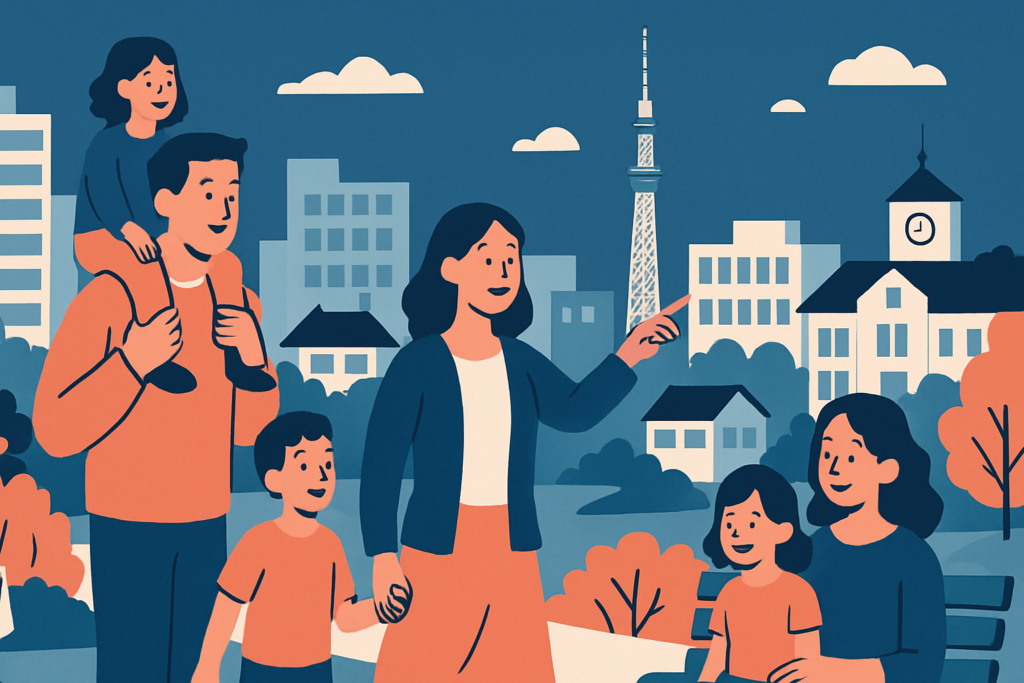
Edogawa Ward (江戸川区) stands out as one of Tokyo’s most family-oriented and affordable residential areas, offering spacious parks, excellent childcare facilities, and a welcoming environment for international residents. Located in eastern Tokyo along the Edogawa River, this ward combines suburban tranquility with convenient access to central Tokyo, making it an increasingly popular choice for families seeking quality of life without the premium price tag of central wards.
View Edogawa Ward Office on Google Maps
Overview of Edogawa Ward
Edogawa Ward is Tokyo’s fourth-largest ward by population and the second-largest by area. Bordered by Chiba Prefecture to the east and featuring extensive waterfront areas, Edogawa offers a unique blend of urban convenience and natural environments. The ward is known for its progressive family support policies, numerous parks, and comparatively affordable housing costs.
Population and Foreign Residents
According to official data from Edogawa Ward, as of October 1, 2023, the ward had a total population of 694,638 residents, of which 44,513 were foreign nationals, representing approximately 6.4% of the total population. This makes Edogawa one of the more internationally diverse wards in Tokyo.
The foreign resident community in Edogawa includes significant populations from China, India, South Korea, Nepal, Vietnam, and other Asian countries, as well as growing numbers from Western nations. The ward government has responded to this diversity by expanding multilingual services and international support programs.
Source: Edogawa Ward Official Statistics (令和5年10月1日現在の人口) – Edogawa Ward Official Website
Housing and Rent Estimates
One of Edogawa’s primary attractions for families is its relatively affordable housing market compared to central Tokyo wards like Minato, Shibuya, or Chūō. The ward offers a range of housing options from modern apartment buildings to traditional Japanese homes.
Estimated Monthly Rent Ranges
Please note: The following are estimates only based on general market conditions as of late 2023/early 2024. Actual rental prices vary significantly based on specific location, building age, station proximity, and property condition. Always verify current prices directly with real estate agents.
- 1K/1DK (studio/one-room): ¥60,000 – ¥85,000
- 1LDK (one bedroom): ¥80,000 – ¥115,000
- 2LDK (two bedrooms): ¥100,000 – ¥145,000
- 3LDK (three bedrooms): ¥130,000 – ¥180,000
- 4LDK+ (four+ bedrooms): ¥160,000 – ¥250,000
Properties closer to major stations like Kasai, Nishi-Kasai, and Koiwa typically command higher rents, while areas further from stations or near the ward boundaries with Chiba Prefecture tend to be more affordable.
Transportation and Commuting
Edogawa Ward is served by multiple train lines, providing good connectivity to central Tokyo and neighboring areas:
Major Train Lines
- Tokyo Metro Tozai Line: Kasai, Nishi-Kasai, and Minami-Sunamachi stations provide direct access to Otemachi, Nihombashi, and Nakano
- JR Chūō-Sōbu Line: Koiwa and Shin-Koiwa stations connect to Shinjuku, Akihabara, and Chiba
- Toei Shinjuku Line: Funabori and Higashi-Ojima stations link to central Tokyo
- Keisei Line: Provides access to Narita Airport and Chiba
Typical Commute Times
- To Tokyo Station: 20-30 minutes from Kasai
- To Otemachi: 15-20 minutes from Nishi-Kasai
- To Shinjuku: 30-35 minutes from Koiwa
- To Narita Airport: 50-70 minutes via Keisei Line
The ward also has an extensive bus network operated by Toei Bus and private companies, connecting residential areas to train stations and major facilities.
RENTAL LISTING SNAPSHOT
Real rental examples around Edogawa
These listings were found on SUUMO and checked on October 20, 2026. Availability changes quickly. For foreign-resident acceptance, guarantor requirements, documents, initial costs or detailed conditions, ask Japan Live before applying.
築43年
京成本線/京成小岩駅 歩11分
東京都江戸川区北小岩7Get move-in tips →
Source listing on SUUMO ↗
築34年
都営新宿線/瑞江駅 歩11分
東京都江戸川区江戸川2Get move-in tips →
Source listing on SUUMO ↗
築20年
都営新宿線/篠崎駅 歩6分
東京都江戸川区篠崎町1Get move-in tips →
Source listing on SUUMO ↗
Browse all current Edogawa rentals on SUUMO ↗
Checked October 20, 2026. Listings are examples, not recommendations. Japan Live is not the listing agent and does not guarantee availability or approval.
Shopping and Commercial Facilities
Edogawa offers comprehensive shopping options, from large commercial complexes to traditional shopping streets (shōtengai).
Major Shopping Centers
- Metro Kasai: Large shopping complex directly connected to Kasai Station, featuring supermarkets, fashion retailers, restaurants, and daily necessities
- Nishi-Kasai Metro Plaza: Shopping center at Nishi-Kasai Station with diverse retail and dining options
- Funabori Tower Hall: Mixed-use complex with shopping facilities near Funabori Station
- Shapo Koiwa: Shopping center at Koiwa Station
Supermarkets and Daily Shopping
The ward has numerous supermarket chains including Maruetsu, Ito Yokado, Summit, Life, and Aeon. International grocery items are increasingly available at larger stores, particularly around Nishi-Kasai, which has a significant Indian population and several Indian grocery stores.
Note: Specific store locations and business hours may change. Please verify current information before visiting.
Healthcare and Medical Facilities
Edogawa Ward provides extensive healthcare infrastructure suitable for families, including general hospitals, clinics, and pediatric specialists.
Major Hospitals
- Edogawa Hospital (江戸川病院): Comprehensive medical center with multiple departments
- Tokyo Rinkai Hospital (東京臨海病院): Major facility providing advanced medical care
- Jiseikai Dai-san Hospital: General hospital with emergency services
- Edogawa-ku Medical Center: Public medical facility
Foreign Language Medical Support
The ward maintains a medical information service for foreign residents. The Edogawa Ward Medical Institution Guide is available on the official ward website, listing facilities with foreign language capabilities.
For emergency medical interpretation services, Tokyo operates the Himawari Medical Interpretation Service providing telephone interpretation in multiple languages including English, Chinese, Korean, Thai, and Spanish.
Official Resource: Edogawa Ward English Website – Medical Information
Municipal and Multilingual Support Services
Edogawa Ward has established comprehensive support services for international residents, recognizing the diverse nature of its population.
Edogawa Ward Office Services
The main ward office is located at: 1-4-1 Chuo, Edogawa-ku, Tokyo 132-8501
Services available include:
- Resident registration (Jūminhyō)
- National Health Insurance enrollment
- Child allowance applications
- Childcare and kindergarten registration
- Tax procedures
- Certificate issuance
Multilingual Support
The ward provides multilingual support through several channels:
- Multilingual Consultation Service: Available in English, Chinese, Korean, and other languages by appointment
- Website: Official information available in English, Chinese, Korean, and other languages at https://www.city.edogawa.tokyo.jp/multilingual/
- Living Guide for Foreign Residents: Comprehensive guidebooks available in multiple languages
- Disaster Prevention Information: Emergency information provided in multiple languages
International Support Organizations
The Edogawa International Association (EDIA) provides various services including:
- Japanese language classes
- Cultural exchange events
- Daily life consultation
- Translation support
- Community networking opportunities
Education and Childcare
Edogawa is particularly strong in family support services and childcare infrastructure.
Childcare Facilities
The ward operates numerous public and licensed private daycare centers (hoikuen) and kindergartens (yōchien). Edogawa has implemented progressive childcare policies and continues expanding capacity to meet demand.
Application for childcare facilities is processed through the ward office. Priority is given based on family circumstances, employment status, and other factors.
Schools
- Public Elementary and Junior High Schools: The ward operates numerous public schools throughout the area
- International Education: While Edogawa doesn’t host major international schools within its boundaries, several are accessible in neighboring areas
- Japanese Language Support: Public schools provide Japanese language support programs for non-native speaking children
After-School Programs
The ward operates after-school childcare programs (gakudō hoiku) for elementary school children of working parents.
Parks and Recreation
Edogawa is renowned for its abundant green spaces and recreational facilities, making it exceptionally family-friendly.
Notable Parks
- Kasai Rinkai Park: Massive waterfront park featuring an aquarium, ferris wheel, bird sanctuary, and beach area
- Gyosen Park: Large park with sports facilities and seasonal flower displays
- Edogawa River Banks: Extensive riverside areas perfect for cycling, jogging, and cherry blossom viewing
- Kasai Seaside Park: Coastal recreation area
- Komatsugawa Sakaegawa Park: Family-friendly park with playground equipment
Pros and Cons of Living in Edogawa
Advantages
- Affordability: Significantly lower housing costs compared to central Tokyo wards
- Family-Friendly: Excellent childcare facilities, parks, and family support services
- Space: Larger apartments and homes available at reasonable prices
- International Community: Growing foreign resident population with good support services
- Green Spaces: Abundant parks and riverside areas
- Multilingual Support: Comprehensive services for non-Japanese speakers
- Safety: Low crime rates and strong community atmosphere
- Shopping: Good commercial infrastructure for daily needs
Disadvantages
- Distance from Central Tokyo: Longer commutes compared to central wards
- Limited International Schools: Few international school options within the ward itself
- Flood Risk: Some areas are below sea level and at potential flood risk (though extensive flood prevention measures are in place)
- Fewer Entertainment Options: Less nightlife and cultural venues compared to central Tokyo
- Rush Hour Crowding: Major train lines can be very crowded during peak commute times
- Language Barriers: While improving, some services and facilities still primarily operate in Japanese
Moving to Edogawa: Essential Checklist
Planning a move to Edogawa requires careful preparation. Here’s a comprehensive checklist:
Before Moving
- Research neighborhoods and visit potential areas
- Understand apartment rental requirements (guarantor, key money, deposit)
- Arrange temporary accommodation if needed
- Prepare required documentation (passport, visa, proof of employment)
- Consider school options if you have children
- Get professional support for apartment hunting if needed – Start with our area diagnosis tool
Upon Arrival (Within 14 Days)
- Register at Edogawa Ward Office (bring residence card, passport, lease agreement)
- Obtain Resident Card (Zairyū Card) update with new address
- Apply for National Health Insurance or verify employer’s insurance coverage
- Register for My Number Card if eligible
- Open a Japanese bank account
- Arrange utilities (electricity, gas, water, internet)
First Month
- Register children for school or childcare if applicable
- Register with local medical facilities
- Obtain city library card
- Connect with local international community groups
- Familiarize yourself with local disaster prevention procedures
- Explore your neighborhood and locate essential services
Ongoing
- Participate in neighborhood association activities if invited
- Attend ward-sponsored events and Japanese language classes
- Stay informed about ward news and updates through multilingual channels
Frequently Asked Questions
Is Edogawa suitable for families with young children?
Yes, Edogawa is exceptionally suitable for families. The ward is known for its family-friendly policies, extensive childcare facilities, numerous parks, and relatively spacious and affordable housing. The ward government provides comprehensive support for families including childcare subsidies and parenting support programs.
How good is the English language support in Edogawa?
Edogawa provides better-than-average multilingual support for a Tokyo ward, with English, Chinese, Korean, and other language services available at the ward office and through the International Association. However, daily life still requires some Japanese language ability or support. The ward is continuously improving its foreign language services in response to its growing international population.
What is the commute like to central Tokyo business districts?
Commutes from Edogawa to central business districts typically range from 20-40 minutes depending on your specific location and destination. The Tozai Line provides direct access to Otemachi and Nihombashi, while the JR Chūō-Sōbu Line connects to major stations. However, trains can be extremely crowded during rush hours.
Are there international grocery stores in Edogawa?
Yes, particularly around Nishi-Kasai, which has several Indian grocery stores and international food shops. While not as extensive as areas like Roppongi or Hiroo, the availability of international groceries is improving. Major supermarkets also increasingly stock international products.
Is Edogawa safe for foreigners?
Edogawa is very safe, like most of Tokyo. The ward has low crime rates and a welcoming attitude toward foreign residents. The significant foreign resident population and established support services contribute to a comfortable environment for international families.
What about earthquake and flood safety?
Like all of Tokyo, Edogawa is in an earthquake-prone zone, and buildings must meet strict seismic standards. Some areas of Edogawa are below sea level and potentially vulnerable to flooding, but the ward has extensive flood prevention infrastructure including levees and water gates. The ward provides multilingual disaster prevention information and conducts regular drills.
Can I get by without speaking Japanese in Edogawa?
While possible with the ward’s multilingual services and translation apps, daily life is significantly easier with at least basic Japanese ability. The ward offers Japanese language classes through the International Association, which many residents find helpful. For complex procedures, interpretation services are available.
How do I apply for childcare in Edogawa?
Childcare applications are submitted through the Edogawa Ward Office. The process typically involves submitting an application form along with documentation proving employment and family circumstances. Applications are accepted throughout the year, though April enrollment requires earlier application. The ward office can provide English guidance for this process.
Getting Started with Your Edogawa Move
Edogawa Ward offers an attractive combination of affordability, family-friendliness, and international support that makes it an excellent choice for families considering Tokyo. While it requires a longer commute than central wards, the benefits of spacious housing, abundant green spaces, and lower living costs make it particularly appealing for those prioritizing quality of life and family needs.
The ward’s commitment to supporting international residents through multilingual services, the active International Association, and growing foreign community creates a welcoming environment for newcomers. Combined with excellent childcare infrastructure and progressive family policies, Edogawa stands out as one of Tokyo’s most family-oriented wards.
Whether you’re drawn by the affordable housing, the extensive parks and recreational facilities, or the strong community atmosphere, Edogawa deserves serious consideration. The trade-offs—primarily the distance from central Tokyo and fewer international school options—are significant but may be worthwhile depending on your priorities and circumstances.
Next Steps
Ready to explore whether Edogawa is the right fit for your family? We can help you navigate the complexities of finding the perfect neighborhood and home in Tokyo:
- Take our Area Diagnosis – Answer a few questions about your priorities, budget, and lifestyle to get personalized Tokyo neighborhood recommendations
- Book a Consultation – Speak with our Tokyo housing experts who can provide detailed guidance on Edogawa and other suitable areas based on your specific needs
Moving to a new area in a foreign country is a major decision. Having accurate, current information and expert support can make all the difference in finding a home where your family will thrive.
Official Resources
- Edogawa Ward Official Website (English): https://www.city.edogawa.tokyo.jp/e/
- Edogawa Ward Multilingual Information: https://www.city.edogawa.tokyo.jp/multilingual/
- Tokyo Metropolitan Government: https://www.metro.tokyo.lg.jp/
- Tokyo Statistics: https://www.toukei.metro.tokyo.lg.jp/
This guide is provided for informational purposes. While we strive for accuracy using official sources, municipal services, commercial facilities, and other details may change. Always verify current information with official sources and relevant organizations before making decisions. Rent estimates are indicative only and actual prices vary by property and market conditions.
Original edition: historical reference (see the 2026 update above)
Where should you live?
Compare neighborhoods using your destination, realistic rent ceiling, commute limit, household and lifestyle priorities. Results are ranked with an explainable score instead of a fixed shortlist.
Travel times and rent bands are planning estimates, not live listings. Always verify the exact route, property and move-in conditions.
We can help you understand what to check before moving: rental documents, move-in costs, utilities, local services and everyday living rules. Tell us what you need help with.
Get practical Japan living tips →