Shinjuku Tokyo: The Complete Guide to Finding Your One-Person Apartment in 2026
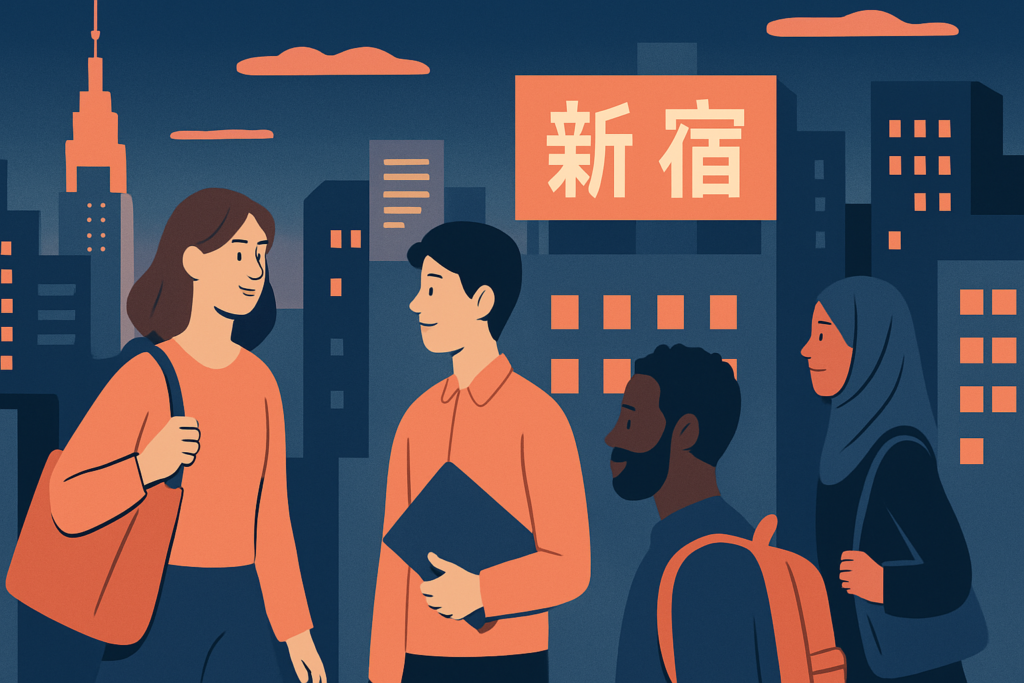
Original edition: historical reference (see the 2026 update above)
Introduction to Shinjuku: Tokyo’s Dynamic Urban Center
Shinjuku Ward (新宿区, Shinjuku-ku) stands as one of Tokyo’s most vibrant and internationally diverse special wards, offering an unparalleled urban living experience for those seeking a one-person apartment in the heart of Japan’s capital. As home to the world’s busiest train station and a major commercial center, Shinjuku combines exceptional convenience with diverse housing options suitable for single residents and foreign nationals.
This comprehensive guide provides verified information about renting a one-person apartment in Shinjuku, including official population statistics, practical cost estimates, essential municipal services, and multilingual support resources to help you make an informed decision about living in this dynamic ward.
Shinjuku Ward: Official Population and Foreign Residents
According to official data from Shinjuku City Office, as of January 1, 2024, Shinjuku Ward had a total population of approximately 348,000 residents. The foreign resident population stands at approximately 44,000 people, representing roughly 12.6% of the total population, making Shinjuku one of Tokyo’s most internationally diverse wards.
The foreign resident community includes nationals from over 130 countries, with significant populations from China, South Korea, Vietnam, Nepal, Myanmar, and various Western countries. This international character has shaped Shinjuku’s infrastructure, with extensive multilingual support services and a cosmopolitan atmosphere that helps foreign residents feel welcome.
Source: Shinjuku City Official Website (新宿区公式ホームページ)
View Shinjuku Station on Google Maps
One-Person Apartment Options in Shinjuku
Typical Apartment Types
One-person apartments in Shinjuku typically fall into these categories:
- 1K (One Room + Kitchen): A single room with a separate kitchen area, typically 16-25 square meters
- 1DK (One Room + Dining Kitchen): A room with a larger combined dining and kitchen space, typically 25-30 square meters
- 1LDK (One Room + Living Dining Kitchen): A bedroom with a separate living/dining/kitchen area, typically 30-40 square meters
- Studio/ワンルーム (One Room): All-in-one space including kitchen area, typically 15-20 square meters
Rent Estimates for One-Person Apartments
Important: The following are approximate estimates based on current market conditions and may vary significantly based on exact location, building age, amenities, and market fluctuations. Always verify current prices directly with real estate agencies.
Estimated Monthly Rent Ranges (as of early 2025):
- Studio/1K: ¥80,000 – ¥150,000 (closer to station and newer buildings command higher prices)
- 1DK: ¥100,000 – ¥180,000
- 1LDK: ¥130,000 – ¥250,000+
Area-Specific Considerations:
- Central Shinjuku (near Shinjuku Station): Higher rent, maximum convenience
- Yotsuya, Ichigaya areas: Slightly lower rent, quieter residential atmosphere
- Takadanobaba, Shin-Okubo: More affordable options, student-friendly areas
- Nishi-Shinjuku: Mix of high-rise apartments and business district proximity
Initial Costs
When renting an apartment in Japan, expect to pay substantial upfront costs:
- Deposit (敷金, Shikikin): Typically 1-2 months’ rent (refundable)
- Key Money (礼金, Reikin): Typically 1-2 months’ rent (non-refundable gift to landlord)
- Agency Fee: Usually 0.5-1 month’s rent plus tax
- First Month’s Rent: Paid in advance
- Insurance: Fire insurance typically ¥15,000-¥20,000 for 2 years
- Guarantor Company Fee: 30-100% of first month’s rent (often required for foreign residents)
Total initial costs typically range from 4-6 months’ rent worth of expenses.
RENTAL LISTING SNAPSHOT
Real rental examples around Shinjuku
These listings were found on SUUMO and checked on October 20, 2026. Availability changes quickly. For foreign-resident acceptance, guarantor requirements, documents, initial costs or detailed conditions, ask Japan Live before applying.
新築
東京メトロ東西線/落合駅 歩6分
東京都新宿区上落合1Get move-in tips →
Source listing on SUUMO ↗
築8年
東京メトロ南北線/四ツ谷駅 歩8分
東京都新宿区四谷坂町Get move-in tips →
Source listing on SUUMO ↗
築7年
東京メトロ丸ノ内線/西新宿駅 歩5分
東京都新宿区西新宿8Get move-in tips →
Source listing on SUUMO ↗
Browse all current Shinjuku rentals on SUUMO ↗
Checked October 20, 2026. Listings are examples, not recommendations. Japan Live is not the listing agent and does not guarantee availability or approval.
Transportation and Commute Information
Shinjuku’s transportation infrastructure is unmatched in Tokyo:
Major Stations
- Shinjuku Station: World’s busiest station, serving JR Lines (Yamanote, Chuo, Sobu, Shonan-Shinjuku), Tokyo Metro (Marunouchi), Toei Subway (Shinjuku, Oedo), Keio Lines, and Odakyu Lines
- Shinjuku-sanchome Station: Tokyo Metro (Marunouchi, Fukutoshin, Shinjuku)
- Yotsuya Station: JR Chuo Line, Tokyo Metro (Marunouchi, Namboku)
- Takadanobaba Station: JR Yamanote Line, Tokyo Metro Tozai Line, Seibu Shinjuku Line
- Iidabashi Station: JR Sobu Line, Tokyo Metro (Tozai, Yurakucho, Namboku, Oedo)
Commute Times to Major Business Districts
- To Tokyo Station: 15 minutes (JR Chuo Line)
- To Shibuya: 5 minutes (JR Yamanote Line)
- To Ikebukuro: 5 minutes (JR Yamanote Line)
- To Roppongi: 8 minutes (Toei Oedo Line)
- To Marunouchi: 20 minutes (Tokyo Metro Marunouchi Line)
Shopping and Daily Conveniences
Major Shopping Facilities
- Isetan Shinjuku: Premium department store at Shinjuku Station
- Lumine EST/Lumine 1/Lumine 2: Fashion and lifestyle shopping complexes
- Takashimaya Times Square: Large department store and shopping center
- Bicqlo (Bic Camera + Uniqlo): Electronics and clothing
- Keio Department Store: Connected to Shinjuku Station
- Don Quijote Shinjuku: 24-hour discount store
Supermarkets and Daily Shopping
- Queen’s Isetan: Premium supermarket
- Seijo Ishii: Multiple locations, imported goods available
- OK Store: Discount supermarket options
- Maruetsu Petit: Convenient small-format supermarkets
- Gyomu Super: Wholesale-style pricing
Convenience stores (7-Eleven, Lawson, FamilyMart) are abundant throughout the ward, typically within 2-3 minutes’ walk from any location.
Medical Facilities and Healthcare
Shinjuku offers extensive medical facilities, including several with multilingual support:
Major Hospitals
- Tokyo Medical University Hospital: Comprehensive medical center with some English support
- Tokyo Women’s Medical University Hospital: Major general hospital
- National Center for Global Health and Medicine: International medical center with extensive English services
- Keio University Hospital: Advanced medical care (located at ward border)
Multilingual Clinics
For specific multilingual clinics, consult the Tokyo Medical Information Service (Himawari) operated by the Tokyo Metropolitan Government, which maintains a directory of medical institutions with foreign language support. The service provides information in English, Chinese, Korean, Thai, and Spanish.
Tokyo Medical Information Service (Himawari):
Phone: 03-5285-8181 (English available 9:00-20:00 daily)
Website: https://www.himawari.metro.tokyo.jp/
Municipal Services and Official Procedures
Shinjuku City Office (新宿区役所)
Main Office Address: 1-4-1 Kabukicho, Shinjuku-ku, Tokyo 160-8484
Access: 10 minutes walk from Shinjuku Station East Exit
Essential Procedures for New Residents
Upon moving to Shinjuku, foreign residents must complete the following procedures:
- Resident Registration (転入届, Tennyu-todoke): Must be completed within 14 days of moving. Bring your residence card (zairyu card), passport, and new address information to the Resident Registration Section (戸籍住民課).
- National Health Insurance (国民健康保険, Kokumin Kenko Hoken): If not enrolled in employee health insurance, register at the National Health Insurance Section (医療保険年金課) on the same day as resident registration.
- My Number Card: Update your address on your My Number Card or apply for one at the My Number Card Section.
- Seal Registration (印鑑登録, Inkan Toroku): Optional but recommended, register your personal seal for official documents.
Multilingual Support at City Office
Shinjuku City Office provides comprehensive multilingual services:
- Languages Available: English, Chinese, Korean, Burmese, Nepali, and other languages (varies by section and day)
- Foreign Residents Advisory Service: Available for consultation on living procedures
- Phone: 03-3209-1111 (main)
- Multilingual Living Information: Available on the official Shinjuku City website
Official Source: Shinjuku City Official Website – https://www.city.shinjuku.lg.jp/
Foreign Resident Support Services
Shinjuku Multicultural Community Center (しんじゅく多文化共生プラザ):
- Provides free consultation services for foreign residents
- Offers Japanese language classes
- Hosts cultural exchange events
- Provides living information in multiple languages
- Location: Nearby Takadanobaba area
Pros and Cons of Living in Shinjuku
Advantages
- Unmatched Transportation Access: Direct access to nearly every major Tokyo area and beyond
- 24-Hour Convenience: Many shops, restaurants, and services operate around the clock
- International Community: Large foreign resident population creates a welcoming atmosphere
- Extensive Multilingual Support: Many services available in multiple languages
- Employment Opportunities: Major business district with numerous job opportunities
- Entertainment and Culture: Theaters, cinemas, museums, and nightlife all within easy reach
- Diverse Dining Options: Restaurants representing cuisines from around the world
- Medical Facilities: Excellent access to healthcare with multilingual options
- Shopping Variety: From discount stores to luxury department stores
Disadvantages
- Higher Living Costs: Rent and daily expenses generally higher than outer Tokyo areas
- Crowds: Extremely busy, especially around major stations during rush hours
- Noise: Can be loud, particularly near entertainment districts
- Limited Green Space: Fewer parks compared to residential-focused wards
- Tourist Traffic: Heavy tourist presence in certain areas
- Air Quality: Urban environment with limited fresh air compared to suburban areas
- Smaller Apartments: Higher costs often mean smaller living spaces for the price
- Nightlife Districts: Some areas (Kabukicho) may feel uncomfortable for some residents
Moving Checklist for Your Shinjuku Apartment
Before Moving (1-2 Months Prior)
- Research apartments and visit properties in person if possible
- Prepare necessary documents: passport, residence card, proof of income, guarantor information
- Save funds for initial costs (4-6 months’ rent equivalent)
- Apply for apartment and complete screening process
- Arrange moving date and moving company (if needed)
Two Weeks Before Moving
- Submit moving-out notification to your current municipality (if applicable)
- Arrange utility connections: electricity, gas, water, internet
- Cancel or transfer existing services
- Update your postal address with Japan Post (forwarding service available)
- Notify your employer, school, or relevant institutions
Upon Moving In
- Complete resident registration at Shinjuku City Office within 14 days
- Register for National Health Insurance (if applicable)
- Update address on residence card at city office
- Update My Number Card address
- Confirm all utilities are functioning properly
- Take initial apartment condition photos (for deposit return purposes)
Within First Month
- Register at your local neighborhood association (optional but recommended)
- Locate nearest supermarkets, hospitals, and convenience facilities
- Learn your garbage collection schedule and rules
- Register for ward information emails or apps
- Open a local bank account if needed
- Visit the Shinjuku Multicultural Community Center for additional support
Frequently Asked Questions
Do I need a guarantor to rent an apartment in Shinjuku?
Most landlords require either a Japanese guarantor or enrollment in a guarantor company (保証会社, hosho-gaisha). For foreign residents without Japanese guarantors, guarantor companies are the standard solution. Fees typically range from 30-100% of one month’s rent initially, with annual renewal fees. Many real estate agencies work with guarantor companies that accept foreign residents.
How long does the apartment search process typically take?
The timeline varies, but typically: property search (1-3 weeks), application and screening (3-7 days), contract signing (1 week), and move-in preparation (1-2 weeks). Allow at least 1-2 months for the entire process, though urgent cases can sometimes be completed faster.
Can I rent an apartment with limited Japanese language ability?
Yes, many real estate agencies in Shinjuku offer services in English and other languages. Some agencies specialize in serving foreign residents. However, rental contracts are typically in Japanese, so translation assistance or bilingual support is important. Some agencies provide English contract summaries.
What is the typical lease length?
Standard rental contracts in Japan are for 2 years, with automatic renewal options. Some properties offer shorter-term leases (6 months to 1 year) at higher monthly rates. Breaking a lease early may result in penalties equivalent to 1-2 months’ rent.
Are furnished apartments available?
Furnished apartments (マンスリーマンション, monthly mansion) are available but less common and typically more expensive per month. Most regular apartments in Shinjuku are unfurnished, without appliances, light fixtures, or curtains. Budget for these additional purchases when planning your move.
What about pet-friendly apartments?
Pet-friendly apartments exist but are limited and often require additional deposits. If you have pets or plan to get one, specify this during your property search, as keeping pets in non-pet-friendly properties can result in lease termination and financial penalties.
How is trash disposal handled?
Shinjuku Ward has specific garbage separation rules. Typical categories include: burnable garbage, non-burnable garbage, recyclable resources (plastic, paper, bottles/cans), and oversized garbage. Collection days vary by area. Multilingual garbage guides are available from the city office and ward website.
Is parking available?
Parking spaces are separate from apartments and must be rented individually, typically costing ¥30,000-¥50,000+ per month in Shinjuku. Many residents do not own cars due to excellent public transportation. Bicycle parking is often included or available at minimal cost.
Conclusion: Is Shinjuku Right for Your One-Person Apartment?
Shinjuku offers an exceptional living experience for single residents who value convenience, international diversity, and being at the center of Tokyo’s action. While living costs are higher than outer areas, the unparalleled transportation access, 24-hour services, and extensive multilingual support make it particularly attractive for foreign residents and professionals.
The ward’s large international community (over 44,000 foreign residents) and comprehensive support services help newcomers integrate smoothly. However, those seeking quiet residential atmospheres or extensive green spaces might prefer neighboring wards while still enjoying easy access to Shinjuku’s amenities.
Ultimately, Shinjuku is ideal for those who embrace urban energy, prioritize convenience and connectivity, and want to experience Tokyo’s most dynamic and internationally flavored neighborhood.
Need Help Finding Your Perfect Apartment in Shinjuku?
Navigating Tokyo’s rental market can be challenging, especially for foreign residents unfamiliar with Japanese procedures and requirements. Our expert team at Japan Live specializes in helping international residents find suitable housing throughout Tokyo.
Get personalized assistance with your apartment search:
- Take our Housing Needs Assessment – Answer a few questions to receive customized neighborhood and apartment recommendations
- Schedule a Free Consultation – Speak with our bilingual housing experts about your specific needs and questions
We provide end-to-end support including property search, viewing arrangements, contract negotiation, guarantor services, and move-in assistance to ensure your transition to Shinjuku is smooth and successful.
Original edition: historical reference (see the 2026 update above)
Disclaimer: Rent estimates, business information, and commercial facility details are subject to change. Always verify current information directly with relevant agencies, property owners, and service providers. Official municipal procedures and population statistics are sourced from government websites as cited.
Where should you live?
Compare neighborhoods using your destination, realistic rent ceiling, commute limit, household and lifestyle priorities. Results are ranked with an explainable score instead of a fixed shortlist.
Travel times and rent bands are planning estimates, not live listings. Always verify the exact route, property and move-in conditions.
We can help you understand what to check before moving: rental documents, move-in costs, utilities, local services and everyday living rules. Tell us what you need help with.
Get practical Japan living tips →