Hiyoshi, Kanagawa: Complete Family Living Guide for 2026
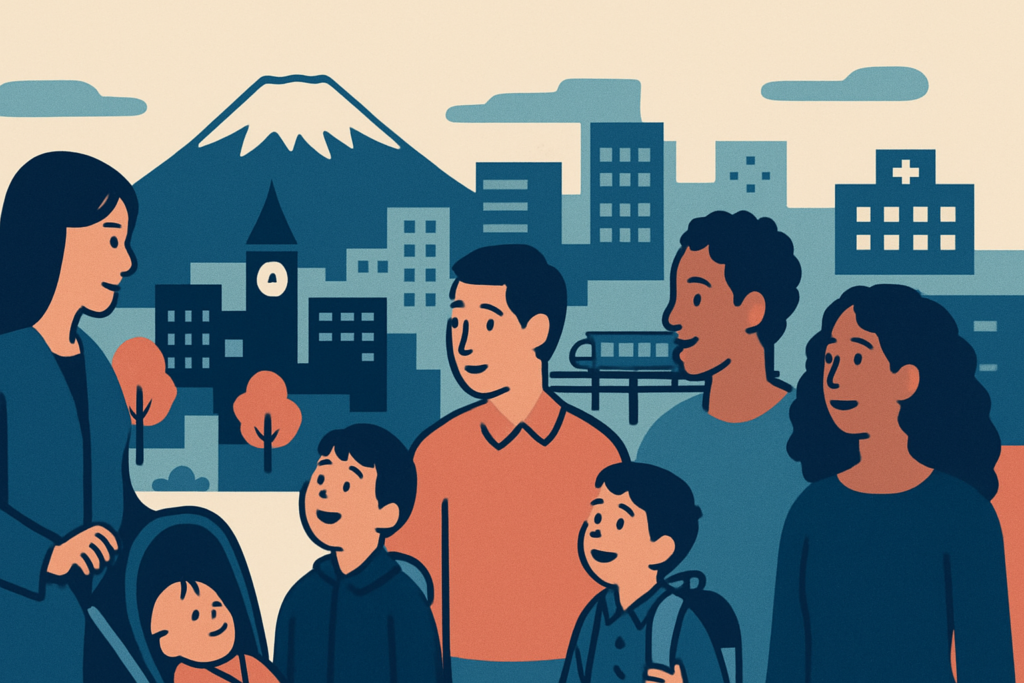
Original edition: historical reference (see the 2026 update above)
Introduction to Hiyoshi, Kanagawa
Hiyoshi (日吉) is a vibrant residential district located in Kohoku Ward (港北区), Yokohama City, Kanagawa Prefecture. Known for its strong educational atmosphere, excellent transportation links, and family-friendly environment, Hiyoshi has become an increasingly popular choice for both Japanese families and foreign residents seeking a balanced lifestyle between urban convenience and suburban comfort.
The area is perhaps best known as home to Keio University’s Hiyoshi Campus, which gives the neighborhood a youthful, intellectual character. With direct train access to central Tokyo and Yokohama, comprehensive shopping facilities, and well-developed infrastructure, Hiyoshi offers an attractive option for families relocating to the Greater Tokyo Area.
Population and Foreign Resident Statistics
According to official data from Yokohama City, Kohoku Ward (which includes Hiyoshi) had the following demographics:
- Total Kohoku Ward Population: Approximately 358,000 residents (as of December 2024, Yokohama City official statistics)
- Foreign Residents in Kohoku Ward: Approximately 7,200 registered foreign nationals (as of December 2024)
- Foreign Resident Percentage: Approximately 2.0% of the ward’s total population
- Reference Date: December 2024
- Official Source: Yokohama City official statistics portal (横浜市統計ポータルサイト)
The foreign resident community in Kohoku Ward includes residents from China, South Korea, Vietnam, the Philippines, and Western countries. The area around Hiyoshi Station has seen gradual growth in international families, particularly those affiliated with educational institutions and multinational corporations.
Transportation and Commute Times
Hiyoshi’s exceptional transportation connectivity is one of its greatest strengths for families and commuters.
Main Station: Hiyoshi Station (日吉駅)
Hiyoshi Station is served by three railway lines operated by Tokyu Corporation:
- Tokyu Toyoko Line: Direct access to Shibuya, with connections to Tokyo Metro Fukutoshin Line continuing to Ikebukuro
- Tokyu Meguro Line: Direct access to Meguro, connecting with Tokyo Metro Namboku Line and Toei Mita Line
- Yokohama Municipal Subway Green Line: Connects to Nakayama and central Yokohama areas
Commute Times from Hiyoshi Station
- Shibuya: Approximately 20-25 minutes (direct, Tokyu Toyoko Line)
- Yokohama: Approximately 12-15 minutes (direct, Tokyu Toyoko Line)
- Tokyo Station: Approximately 40-45 minutes (transfer at Shibuya or Meguro)
- Shinagawa: Approximately 30 minutes (via Meguro Line)
- Ikebukuro: Approximately 35 minutes (direct via Fukutoshin Line connection)
- Shinjuku: Approximately 30 minutes (direct via Fukutoshin Line connection)
The multiple line options provide excellent redundancy, and limited express (特急) services on the Tokyu Toyoko Line stop at Hiyoshi, significantly improving commute convenience.
RENTAL LISTING SNAPSHOT
Real rental examples around Hiyoshi
These listings were found on SUUMO and checked on October 20, 2026. Availability changes quickly. For foreign-resident acceptance, guarantor requirements, documents, initial costs or detailed conditions, ask Japan Live before applying.
築8年
東急東横線/元住吉駅 歩12分
神奈川県川崎市中原区木月4Get move-in tips →
Source listing on SUUMO ↗
築26年
東急東横線/日吉駅 歩7分
神奈川県横浜市港北区日吉本町2Get move-in tips →
Source listing on SUUMO ↗
築6年
東急東横線/日吉駅 歩11分
神奈川県横浜市港北区日吉本町2Get move-in tips →
Source listing on SUUMO ↗
Browse all current Hiyoshi rentals on SUUMO ↗
Checked October 20, 2026. Listings are examples, not recommendations. Japan Live is not the listing agent and does not guarantee availability or approval.
Housing and Rent Estimates
Important Note: The following rent figures are estimates illustrative planning ranges from the original edition and are subject to change based on property condition, exact location, building age, and market fluctuations. Always verify current prices directly with real estate agents or property owners.
Estimated Monthly Rent Ranges (as of January 2026)
- 1K/1DK (Single/Couple): ¥70,000 – ¥95,000
- 2DK/2LDK (Small Family): ¥110,000 – ¥160,000
- 3LDK (Family): ¥150,000 – ¥220,000
- 4LDK (Large Family): ¥200,000 – ¥300,000+
Properties within a 5-10 minute walk of Hiyoshi Station typically command premium prices. More affordable options can be found in areas requiring a bus ride or longer walk to the station, particularly in the residential neighborhoods north and south of the main commercial area.
Initial moving costs in Japan typically include:
- Security deposit (敷金): 1-2 months’ rent
- Key money (礼金): 1-2 months’ rent
- Agent fee: 0.5-1 month’s rent
- First month’s rent in advance
Shopping and Commercial Facilities
Hiyoshi offers comprehensive shopping options suitable for daily family needs.
Major Shopping Facilities
- Hiyoshi Tokyu Avenue (日吉東急アベニュー): Multi-story shopping complex directly connected to Hiyoshi Station, featuring supermarkets, fashion retailers, restaurants, and service providers
- Tokyu Store Hiyoshi: Full-service supermarket with quality groceries, fresh produce, and imported goods section
- Hiyoshi Marche (日吉マルシェ): Shopping area with diverse stores including pharmacies, bookstores, and specialty shops
- Maruetsu: Large supermarket chain location offering competitive pricing
- Lawson, 7-Eleven, FamilyMart: Multiple convenience store locations throughout the area
- Hiyoshi Shopping District: Traditional shotengai (shopping street) with local businesses, bakeries, restaurants, and services
Restaurants and Dining
The presence of Keio University ensures a vibrant restaurant scene with diverse, affordable options including Japanese, Chinese, Korean, Italian, and casual dining establishments. The station area features numerous cafes popular with students and families alike.
Medical Facilities and Healthcare
Access to quality healthcare is essential for families, and Hiyoshi provides several options.
Major Medical Facilities
- Saiwai-cho Clinic (幸町クリニック): General practice and internal medicine
- Hiyoshi Family Clinic: Family medicine with pediatric services
- Hiyoshi Dental Clinic: Dental care services
- Kohoku Municipal Clinic: Public health services
Nearby Major Hospitals
- Nippon Kokan Hospital (日本鋼管病院): Comprehensive hospital in neighboring Kawasaki City (approximately 10 minutes by train)
- Yokohama Rosai Hospital (横浜労災病院): Large general hospital (approximately 15 minutes by train and bus)
- Keio University Hospital: Major university hospital in Shinjuku (approximately 35 minutes by train)
Note: Medical facility information is subject to change. Always verify current operational status, accepted insurance, and services offered directly with medical providers. For emergency services, call 119 for ambulance.
Education and Schools
Education is a significant draw for families considering Hiyoshi.
Public Schools
Kohoku Ward operates several public elementary and junior high schools in the Hiyoshi area. Contact the Kohoku Ward Office Education Division for school district assignments and enrollment procedures.
Universities
- Keio University Hiyoshi Campus: Prestigious private university, creating an academic atmosphere in the area
International and Private Schools (Nearby)
While Hiyoshi itself doesn’t have international schools within its immediate borders, several are accessible:
- Saint Maur International School: Located in Yokohama (various campuses)
- Yokohama International School: Located in Naka Ward, Yokohama
- Canadian International School: Located in Shinagawa, Tokyo (accessible via Meguro Line)
Municipal Services and Support
Kohoku Ward Office (港北区役所)
Address: 2-9-3 Ohkura-yama, Kohoku-ku, Yokohama City, Kanagawa 222-0037
The Kohoku Ward Office handles:
- Resident registration (転入届)
- My Number Card applications
- National Health Insurance enrollment
- Child allowance applications (児童手当)
- Garbage collection information
- Tax payments and certificates
Hours: Generally Monday-Friday, 8:30-17:00 (excluding national holidays and year-end/New Year period)
Multilingual Support Services
Yokohama City provides comprehensive support for foreign residents:
- Yokohama City Multilingual Portal: Information in English, Chinese, Korean, Spanish, and Portuguese available at https://www.city.yokohama.lg.jp/lang/
- Yokohama Association for International Communications and Exchanges (YOKE): Provides consultation services, Japanese language classes, and information for foreign residents
- Yokohama City Immigration Information Center: Phone consultation available in multiple languages
- Foreign Resident Support Desk: Available at ward offices by appointment
- Multilingual Living Guide: Comprehensive guides available in multiple languages covering daily life, emergencies, and procedures
Emergency Contact Numbers
- Emergency (Police): 110
- Emergency (Fire/Ambulance): 119
- Japan Helpline (24-hour English support): 0120-461-997
- Yokohama City Call Center: 045-664-2525 (Some English support available)
Childcare and Family Support
Daycare and Nurseries
Kohoku Ward has multiple licensed daycare facilities (認可保育所). Applications are processed through the ward office. Note that demand often exceeds supply, particularly for children under 2 years old.
Parks and Recreation
- Hiyoshi Park: Local park with playground equipment
- Koyasu Park: Larger park area suitable for family outings
- Tsurumi River Cycling Road: Scenic riverside path popular for cycling and walking
Pros and Cons of Living in Hiyoshi
Advantages
- Excellent Transportation: Three train lines with direct access to major Tokyo and Yokohama destinations
- Educational Environment: Safe, academic atmosphere due to Keio University presence
- Balanced Urban-Suburban Feel: Convenient facilities without excessive urban density
- Shopping Convenience: Comprehensive commercial facilities directly at station
- Safety: Generally low crime rate, family-friendly environment
- Community: Established residential area with active local community
- Value: More affordable than central Tokyo with comparable convenience
- International Access: Growing foreign resident community and multilingual support
Disadvantages
- Commute Distance: While connected, commutes to central Tokyo take 30-45 minutes
- Daycare Competition: High demand for childcare facilities
- Limited International Schools: No international schools in immediate vicinity
- Student Population: Large student population means crowded trains during peak hours and semester starts
- Limited Nightlife: Quieter evening atmosphere compared to central urban areas
- Hills: Some residential areas involve hilly terrain, challenging for young children or elderly
- Competition: Popular area means competitive housing market
Moving to Hiyoshi: Essential Checklist
Before Moving
- ☐ Secure housing (allow 1-2 months for property search and contract completion)
- ☐ Arrange utility connections (electricity, gas, water)
- ☐ Research school districts and education options for children
- ☐ Verify visa status and residence card validity
- ☐ Arrange moving company or transportation
- ☐ Review initial costs (typically 4-6 months’ rent equivalent for move-in)
Within 14 Days of Moving
- ☐ Submit resident registration (転入届) at Kohoku Ward Office
- ☐ Update residence card address at ward office
- ☐ Enroll in National Health Insurance (if applicable)
- ☐ Register for My Number Card or update address
- ☐ Submit school transfer notifications (if applicable)
- ☐ Register bicycle ownership (防犯登録) if applicable
Within First Month
- ☐ Open local bank account
- ☐ Arrange waste disposal schedule (obtain from ward office or building management)
- ☐ Apply for child allowance if eligible (児童手当)
- ☐ Visit local community center or international exchange organization
- ☐ Register children for daycare/nursery if needed
- ☐ Locate nearest healthcare providers and register with clinic
- ☐ Learn local emergency procedures and evacuation routes
Settling In
- ☐ Meet neighbors and introduce yourself (traditional practice, though increasingly optional)
- ☐ Join local community groups or parent associations (PTA if children attend school)
- ☐ Familiarize yourself with shopping facilities and services
- ☐ Download useful apps: Yokohama City official app, train navigation apps (Google Maps, Navitime), disaster preparedness apps
- ☐ Learn local waste separation rules (Yokohama has specific sorting requirements)
Frequently Asked Questions
Is Hiyoshi suitable for families with young children?
Yes, Hiyoshi is considered very family-friendly. The area offers good safety, educational facilities, parks, and comprehensive shopping. However, childcare availability is competitive, so apply early for daycare if needed.
Do I need to speak Japanese to live in Hiyoshi?
While basic Japanese is helpful, Yokohama City provides extensive multilingual support. Major facilities near the station often have some English-speaking staff. However, daily life becomes significantly easier with Japanese language ability, and learning basic Japanese is strongly recommended.
How is the foreign resident community in Hiyoshi?
The foreign resident population in Kohoku Ward is approximately 2%, smaller than central Tokyo wards but growing. The university presence attracts some international students and academics. Most foreign residents are well-integrated into the community.
What is the garbage collection system?
Yokohama City has a detailed waste separation system. Garbage is separated into categories including combustible, non-combustible, plastic containers and packaging, cans/bottles/PET bottles, and oversized trash. Collection schedules vary by neighborhood. Detailed guides in multiple languages are available from the ward office.
Are there English-speaking doctors in Hiyoshi?
Some clinics may have English-speaking staff, but this should be verified directly. YOKE and the city’s international support services maintain lists of medical facilities with multilingual capabilities. Translation apps and services can help, and some residents travel to international clinics in central Tokyo or Yokohama for complex medical needs.
How long does it take to commute to Tokyo for work?
Commute times to major Tokyo business districts range from 25-45 minutes depending on destination. Shibuya takes approximately 20-25 minutes direct. Tokyo Station requires a transfer and takes approximately 40-45 minutes. Express trains significantly improve commute times.
Is parking available and necessary?
Many apartment buildings include or offer nearby parking (parking costs typically ¥15,000-¥25,000/month, which should be considered estimates only). Due to excellent public transportation, many residents don’t own cars. However, families may find cars convenient for weekend outings and shopping.
How do I enroll my child in school?
For public schools, contact the Kohoku Ward Office Education Division with your residence information to determine your assigned school district. Enrollment procedures must be completed after establishing residence. For international or private schools, contact schools directly as early as possible, as many have application periods and entrance requirements.
Living in Yokohama: Related Resources
If you’re considering Hiyoshi as your new home in Japan, you might also want to explore other family-friendly neighborhoods in Yokohama and the Greater Tokyo Area. Understanding the full range of options helps ensure you find the perfect fit for your family’s needs.
For more information about settling in Japan and navigating the complexities of relocation, explore our comprehensive resources about living in different areas of Tokyo and Kanagawa.
Conclusion
Hiyoshi, Kanagawa offers an attractive living option for families seeking a balance between urban convenience and residential calm. With excellent transportation links providing direct access to Tokyo and Yokohama, comprehensive shopping and services, a safe environment enhanced by the university presence, and growing support for international residents, Hiyoshi deserves serious consideration from families relocating to the Greater Tokyo Area.
The area’s combination of accessibility, educational atmosphere, and relative affordability compared to central Tokyo makes it particularly suitable for families with school-age children or professionals commuting to major business districts. While challenges exist—particularly regarding childcare availability and the lack of immediate international school options—the overall package of convenience, safety, and community makes Hiyoshi a compelling choice.
As with any relocation decision, visiting the area in person, exploring neighborhoods at different times of day, and testing the commute to your workplace or children’s schools is essential before making a final decision. Yokohama City’s comprehensive multilingual support services and the established residential community provide a solid foundation for successful integration.
Need Help with Your Move to Hiyoshi?
Relocating to a new area in Japan involves many decisions and procedures. Whether you’re trying to determine if Hiyoshi is the right fit for your family, navigating housing options, or understanding municipal procedures, professional guidance can make your transition smoother and less stressful.
Get a personalized assessment of your relocation needs:
Start Your Free Relocation Assessment
Book a detailed consultation with our relocation experts:
Our experienced team can help you with neighborhood selection, housing search, school placement, municipal procedures, and all aspects of settling into your new home in Hiyoshi or elsewhere in the Greater Tokyo Area.
Official References and Resources
- Yokohama City Official Website
- Kohoku Ward Office Official Website
- Yokohama City Multilingual Portal
- Yokohama Foreign Resident Information
- Tokyu Railways Official Website
- Kanagawa Prefecture Official Website
This guide is intended for informational purposes only. While every effort has been made to ensure accuracy based on official sources and current information as of January 2025, details such as rent prices, commercial facilities, medical services, and administrative procedures are subject to change. Always verify critical information directly with official sources, property owners, service providers, and relevant authorities before making decisions. Rent estimates and business information are clearly labeled as such and should be confirmed independently.
Original edition: historical reference (see the 2026 update above)
Where should you live?
Compare neighborhoods using your destination, realistic rent ceiling, commute limit, household and lifestyle priorities. Results are ranked with an explainable score instead of a fixed shortlist.
Travel times and rent bands are planning estimates, not live listings. Always verify the exact route, property and move-in conditions.
We can help you understand what to check before moving: rental documents, move-in costs, utilities, local services and everyday living rules. Tell us what you need help with.
Get practical Japan living tips →