Kawasaki, Kanagawa: Complete Family Living Guide 2026
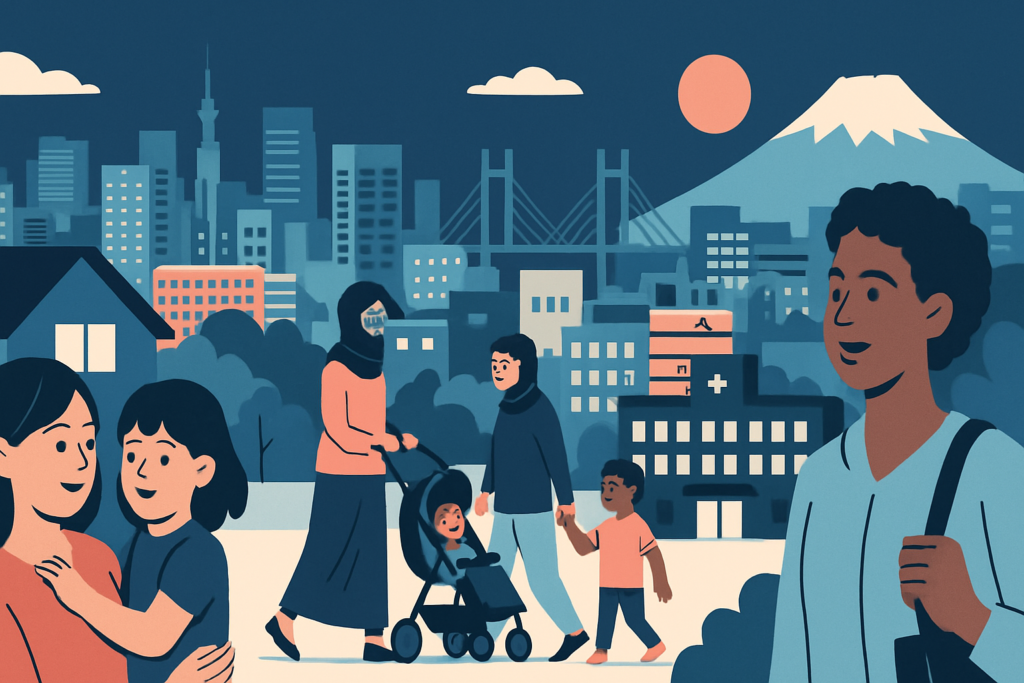
Original edition: historical reference (see the 2026 update above)
Introduction to Kawasaki City
Kawasaki City in Kanagawa Prefecture offers families an attractive blend of urban convenience and residential comfort. Strategically positioned between Tokyo and Yokohama, this major industrial and residential hub provides excellent transport links, comprehensive municipal services, and a growing international community. For foreign families considering relocation to the Greater Tokyo Area, Kawasaki presents a compelling alternative to the capital itself, with competitive housing costs and well-developed infrastructure.
This comprehensive guide provides essential information for families planning to make Kawasaki their home, covering everything from population demographics to practical moving considerations.
Population and Demographics
According to official statistics from Kawasaki City, the total population as of December 1, 2024, stands at 1,544,691 residents, with the foreign resident population numbering 52,611 people, representing approximately 3.4% of the total population. This data is sourced from the Kawasaki City official statistics portal.
The foreign resident community in Kawasaki is diverse, with significant populations from China, South Korea, the Philippines, Vietnam, and other Asian countries, as well as growing numbers from Western nations. The city’s seven wards (ku) each have distinct characteristics, with some areas particularly popular among international families.
The wards of Kawasaki City include:
- Kawasaki-ku (central ward)
- Saiwai-ku
- Nakahara-ku
- Takatsu-ku
- Miyamae-ku
- Tama-ku
- Asao-ku
Housing and Rent Estimates
Note: The following rent ranges are estimates based on current market conditions and should be verified directly with real estate agents, as prices fluctuate based on location, property condition, and market dynamics.
Estimated Monthly Rent Ranges (as of early 2025):
- 1K/1DK apartment (20-30㎡): ¥60,000-¥90,000
- 1LDK apartment (35-45㎡): ¥80,000-¥130,000
- 2LDK apartment (50-65㎡): ¥110,000-¥180,000
- 3LDK apartment (65-80㎡): ¥140,000-¥230,000
- 4LDK house/apartment (80-100㎡): ¥180,000-¥300,000+
Areas closer to major stations like Kawasaki, Musashi-Kosugi, and Shin-Yurigaoka typically command premium prices, while neighborhoods further from station centers offer more affordable options. Family-oriented areas such as Miyamae-ku and Tama-ku tend to offer better value for larger apartments and houses.
RENTAL LISTING SNAPSHOT
Real rental examples around Kawasaki
These listings were found on SUUMO and checked on October 20, 2026. Availability changes quickly. For foreign-resident acceptance, guarantor requirements, documents, initial costs or detailed conditions, ask Japan Live before applying.
築21年
JR京浜東北線/川崎駅 バス9分 (バス停)藤崎4丁目 歩3分
神奈川県川崎市川崎区藤崎2Get move-in tips →
Source listing on SUUMO ↗
築62年
東急田園都市線/宮前平駅 歩35分
神奈川県川崎市宮前区初山2Get move-in tips →
Source listing on SUUMO ↗
築62年
東急田園都市線/たまプラーザ駅 歩34分
神奈川県川崎市宮前区初山2Get move-in tips →
Source listing on SUUMO ↗
Browse all current Kawasaki rentals on SUUMO ↗
Checked October 20, 2026. Listings are examples, not recommendations. Japan Live is not the listing agent and does not guarantee availability or approval.
Transportation and Commuting
Kawasaki’s exceptional transport connectivity is one of its strongest advantages for working families.
Major Railway Lines
- JR Tokaido Line: Direct access to Tokyo, Shinagawa, and Yokohama
- JR Keihin-Tohoku Line: Connects to major Tokyo hubs including Ueno and Omiya
- JR Nambu Line: Links Kawasaki to Tachikawa and Musashi-Kosugi
- Keikyu Main Line: Provides access to Haneda Airport and central Tokyo
- Tokyu Toyoko Line: Connects Musashi-Kosugi to Shibuya and Yokohama
- Odakyu Odawara Line: Runs through northern areas to Shinjuku
Approximate Commute Times from Kawasaki Station
- Tokyo Station: 18-20 minutes
- Shinagawa Station: 7-10 minutes
- Shibuya Station: 20-25 minutes
- Yokohama Station: 8-10 minutes
- Haneda Airport: 15-20 minutes via Keikyu Line
The highly-developed Musashi-Kosugi Station has become a major transport hub with multiple lines intersecting, making it particularly popular with commuting families.
Shopping and Commercial Facilities
Kawasaki offers extensive shopping options suitable for families:
Major Shopping Centers
- Lazona Kawasaki Plaza: Large shopping complex directly connected to Kawasaki Station with over 300 stores, restaurants, cinema, and family entertainment facilities
- Kawasaki More’s: Department store-style shopping near Kawasaki Station
- Grand Tree Musashi-Kosugi: Modern shopping mall with family-friendly facilities and rooftop garden
- Musashi Kosugi Tokyu Square: Shopping and dining complex at Musashi-Kosugi Station
- Shin-Yurigaoka Elsa: Shopping center serving the northern areas
- Azalea: Underground shopping arcade at Kawasaki Station
Supermarkets and Daily Shopping
International and domestic supermarket chains are well-represented throughout the city, including Ito Yokado, Aeon, Seiyu, Life, Summit, and OK Store. Some locations carry international food products catering to the diverse resident population.
Medical Facilities and Healthcare
Kawasaki provides comprehensive medical services with numerous hospitals and clinics throughout the city.
Major Hospitals
- Nippon Medical School Musashi Kosugi Hospital: Major general hospital with emergency services
- Kawasaki Municipal Hospital: City-operated comprehensive medical facility (Kawasaki-ku Shinkawadori 12-1)
- St. Marianna University School of Medicine Hospital: Advanced medical care and research hospital (Miyamae-ku)
- Saiwai Hospital: General hospital serving central areas
- Kawasaki Kyodo Hospital: Comprehensive care facility
The Kawasaki City official website maintains a medical institution search system where residents can find hospitals and clinics by specialty, location, and services offered. Many facilities provide services in multiple languages or have interpretation support available.
Pediatric Care
Kawasaki has numerous pediatric clinics throughout all wards. The city also operates a pediatric emergency telephone consultation service (♯8000) for after-hours concerns.
Education and Schools
Public Schools
Kawasaki City operates numerous public elementary schools (小学校) and junior high schools (中学校) throughout all seven wards. Foreign residents’ children are eligible to attend public schools, and the city provides Japanese language support programs for non-native speakers.
International and Private Schools
While Kawasaki itself has limited international schools, its proximity to Tokyo and Yokohama provides access to numerous international education options within commuting distance. Some families choose schools in neighboring areas such as:
- Various international schools in Tokyo (accessible within 30-40 minutes)
- International schools in Yokohama
- Private bilingual schools in the Greater Tokyo Area
Multilingual Support Services
Kawasaki City has developed comprehensive multilingual support for its international residents:
Kawasaki International Center
The Kawasaki International Center (located in Nakahara-ku) serves as the primary resource for foreign residents, offering:
- Multilingual consultation services
- Information about daily life in Kawasaki
- Support with administrative procedures
- Japanese language classes
- Cultural exchange programs
- Community networking opportunities
City Hall Multilingual Services
Kawasaki City Hall and ward offices provide various multilingual services:
- Interpretation services: Available at ward offices for major procedures
- Multilingual documents: Key administrative forms and guides available in English, Chinese, Korean, Portuguese, Spanish, and other languages
- Foreign Resident Information Center: Specialized counter for foreign resident inquiries
- Website information: The official city website (www.city.kawasaki.jp) provides information in multiple languages
Emergency Services
Emergency calls (110 for police, 119 for fire/ambulance) have multilingual support capabilities. The city also provides emergency information through various channels during disasters.
Municipal Services and Procedures
Resident Registration
New residents must register at their ward office within 14 days of moving. Required documents typically include:
- Residence card (在留カード for foreign residents)
- My Number card or notification
- Moving-out certificate (from previous municipality, if applicable)
- Passport
National Health Insurance
Residents not covered by employer-based health insurance must enroll in the National Health Insurance (国民健康保険) at their ward office. Foreign residents with valid residence status are required to enroll.
Child Support Services
Kawasaki provides various support services for families with children:
- Child allowance (児童手当): Monthly payments for families with children (income restrictions apply)
- Childcare subsidy: Subsidized daycare services
- Maternal and child health services: Health checkups, vaccinations, and consultations
- After-school programs: Supervised programs for elementary school children
Ward Offices
Each of Kawasaki’s seven wards has a ward office (区役所) handling resident services. The main Kawasaki City Hall is located in Kawasaki-ku.
Parks and Recreation
Kawasaki offers numerous parks and recreational facilities for families:
- Ikuta Ryokuchi Park: Large park with forested areas, traditional Japanese garden, and the Japan Open-Air Folk House Museum
- Todoroki Ryokuchi Park: Extensive green space with sports facilities, pool, and play areas
- Kawasaki Daishi Park: Park near the famous Kawasaki Daishi Temple
- Nakahara Peace Park: Community park with playground facilities
- Tama River cycling and walking paths: Scenic riverside trails popular for recreation
The city also operates numerous community centers, sports facilities, and libraries throughout all wards.
Advantages of Living in Kawasaki (Pros)
- Excellent transportation: Multiple train lines providing quick access to Tokyo, Yokohama, and Haneda Airport
- Competitive housing costs: Generally more affordable than central Tokyo while maintaining good access
- Comprehensive city services: Well-developed municipal infrastructure and support systems
- Growing international community: Increasing multilingual support and international amenities
- Shopping and entertainment: Abundant commercial facilities and dining options
- Strategic location: Positioned between two major metropolitan centers
- Family services: Strong support systems for families with children
- Medical facilities: Numerous hospitals and clinics throughout the city
- Urban convenience with green spaces: City amenities combined with parks and recreational areas
Considerations and Challenges (Cons)
- Industrial areas: Some parts of Kawasaki retain heavy industrial character, particularly coastal areas
- Crowded commuting: Popular stations like Kawasaki and Musashi-Kosugi experience significant rush-hour congestion
- Limited international schools: Fewer options within city boundaries compared to central Tokyo
- Urban density: High population density in popular residential areas
- Variable neighborhood character: Significant differences between wards and neighborhoods
- Air quality concerns: Historical industrial activity, though improvements have been made
- Limited traditional atmosphere: More modern and industrial compared to traditional Japanese cities
- Competition for housing: Popular areas near major stations have competitive rental markets
Moving to Kawasaki: Essential Checklist
Before Moving
- Research neighborhoods and visit potential areas
- Secure housing (apartment/house rental)
- Arrange moving company or transportation
- Notify current municipality of moving-out date
- Arrange utilities (electricity, gas, water) for new residence
- Set up internet service
- Research schools if moving with children
Upon Arrival (Within 14 Days)
- Register at ward office (住民登録)
- Update residence card address at ward office
- Enroll in National Health Insurance if applicable
- Register My Number card address change
- Apply for child-related services if applicable
- Register seal (印鑑登録) if needed
First Month
- Open bank account at local branch
- Register at local clinic/hospital
- Obtain ward library card
- Familiarize yourself with local supermarkets and shops
- Visit Kawasaki International Center for support resources
- Join community groups or international associations
- Learn local waste separation rules (garbage disposal)
- Register children at school
Frequently Asked Questions
Is Kawasaki safe for families?
Yes, Kawasaki is generally safe for families. Like any major city, safety varies by neighborhood, but most residential areas have low crime rates. The city has active police presence and community safety programs. Some entertainment districts near major stations are livelier at night, but family-oriented residential areas are typically quiet and secure.
How does Kawasaki compare to Tokyo for cost of living?
Kawasaki typically offers more affordable housing than central Tokyo wards while maintaining excellent access to the capital. Daily living costs for groceries, dining, and services are comparable. The city provides good value for families seeking space without sacrificing urban convenience.
Can I manage daily life in Kawasaki with English only?
While basic daily life is possible with English, especially with translation apps and the city’s multilingual support services, Japanese language ability significantly improves the living experience. Major facilities often have some English signage, and the International Center provides English support. However, learning Japanese is highly recommended for full integration and access to all services.
What is the best area in Kawasaki for foreign families?
Musashi-Kosugi and surrounding Nakahara-ku are popular with international families due to excellent transport links, modern facilities, and relatively international atmosphere. Miyamae-ku and Tama-ku offer more residential, family-friendly environments with good schools and parks. The choice depends on commute needs, budget, and lifestyle preferences.
How do I find English-speaking doctors?
The Kawasaki International Center maintains information about medical facilities with foreign language support. Some hospitals have international patient services. The Kanagawa Prefecture website also provides a medical institution search function where you can filter by language support. It’s advisable to establish a relationship with a clinic before emergencies arise.
Are there international food options in Kawasaki?
Yes, Kawasaki has diverse dining options including international cuisines reflecting its multicultural population. Larger supermarkets carry some international products, and specialty import shops exist in major commercial areas. Proximity to Tokyo and Yokohama also provides easy access to extensive international food options.
What about natural disaster preparedness?
Kawasaki City provides disaster preparedness information in multiple languages through the city website and International Center. The city conducts regular disaster drills and maintains emergency shelters (designated schools and public facilities). Residents should familiarize themselves with local evacuation routes, shelter locations, and emergency procedures. The city distributes multilingual disaster preparedness guides.
How is the school system for non-Japanese children?
Public schools in Kawasaki accept foreign residents’ children and provide Japanese language support programs (nihongo kyoshitsu). The level of support varies by school. Some families prefer international or private schools in nearby areas. The ward office education department can provide information about enrollment procedures and available support.
Community and Lifestyle
Kawasaki’s character varies significantly across its seven wards. The central Kawasaki-ku area is highly urban with major commercial development, while northern wards like Asao-ku and Tama-ku offer more suburban, residential atmospheres. Nakahara-ku, particularly around Musashi-Kosugi, has experienced rapid development and modernization, becoming increasingly popular with young families and professionals.
The city hosts various festivals and events throughout the year, including the famous Kawasaki Daishi Hatsumōde (New Year’s temple visit) and the Kawasaki Halloween Parade, one of Japan’s largest Halloween celebrations. These events contribute to the city’s dynamic cultural life.
Community centers (shiminkan) throughout the city offer various classes, activities, and opportunities for social connection. The International Center regularly organizes cultural exchange events, language classes, and networking opportunities specifically for foreign residents.
Working in Kawasaki
Kawasaki has a significant industrial base with major manufacturing, technology, and service companies. However, many residents commute to Tokyo or Yokohama for work. The city’s excellent transport infrastructure makes it practical for families to live in Kawasaki while working elsewhere in the Greater Tokyo Area.
For those seeking employment in Kawasaki itself, opportunities exist across various sectors including manufacturing, technology, healthcare, education, and services. The city government website provides employment information and connects job seekers with resources.
Long-term Considerations
For families considering long-term residence in Kawasaki:
- Education pathway: Consider the full education trajectory from elementary through high school, including availability of international or bilingual options
- Community integration: Engage with both Japanese and international communities for balanced integration
- Property ownership: For those considering purchasing property, research carefully as neighborhood characteristics and development plans vary significantly
- Career development: Consider how location affects long-term career opportunities for both parents
- Social network: Build connections through children’s schools, community centers, and international associations
Conclusion
Kawasaki City offers families a practical, well-connected base in the Greater Tokyo Area with comprehensive urban amenities, developing international support systems, and competitive living costs. While it may lack the traditional charm of some Japanese cities or the international infrastructure of central Tokyo, it compensates with excellent transport access, strong municipal services, and diverse neighborhood options suitable for various family needs and budgets.
The city’s ongoing development, growing international community, and commitment to multilingual support make it an increasingly attractive option for foreign families seeking to establish themselves in Japan. Success in Kawasaki, as anywhere, depends on choosing the right neighborhood for your family’s specific needs, engaging with available support resources, and investing time in understanding local systems and culture.
For families prioritizing transport convenience, urban amenities, and value, while maintaining reasonable access to Tokyo’s opportunities and international resources, Kawasaki deserves serious consideration as a family living destination.
Ready to Make Your Move to Kawasaki?
Choosing the right location for your family is a crucial decision. Our experts can help you navigate the complexities of relocating to Japan and finding the perfect neighborhood in Kawasaki for your needs.
Get Your Personalized Japan Living Assessment – Discover which areas best match your family’s priorities and lifestyle.
Schedule a Consultation – Speak with our relocation specialists about making Kawasaki your new home.
Original edition: historical reference (see the 2026 update above)
Note: Information in this guide is current as of the last check date. Official procedures, available services, and facility information may change. Always verify critical information directly with Kawasaki City office, relevant institutions, or official sources before making decisions. Rent estimates and commercial information are indicative only and subject to market changes.
Where should you live?
Compare neighborhoods using your destination, realistic rent ceiling, commute limit, household and lifestyle priorities. Results are ranked with an explainable score instead of a fixed shortlist.
Travel times and rent bands are planning estimates, not live listings. Always verify the exact route, property and move-in conditions.
We can help you understand what to check before moving: rental documents, move-in costs, utilities, local services and everyday living rules. Tell us what you need help with.
Get practical Japan living tips →