Kichijoji Tokyo: The Complete Family Living Guide for 2026
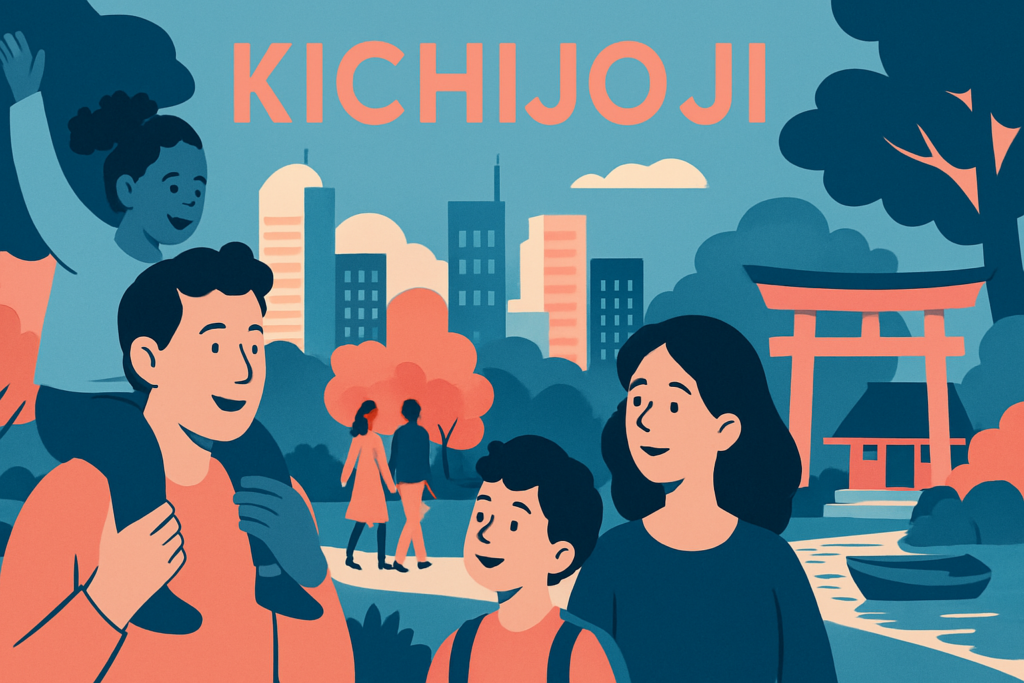
Original edition: historical reference (see the 2026 update above)
Introduction to Kichijoji: Tokyo’s Most Livable Neighborhood
Kichijoji, located in Musashino City in western Tokyo, has consistently topped rankings as one of the most desirable places to live in the Tokyo metropolitan area. This vibrant neighborhood offers an exceptional balance of urban convenience, natural spaces, cultural attractions, and family-friendly amenities that make it particularly attractive to both Japanese families and international residents.
Unlike central Tokyo wards, Kichijoji provides a more residential atmosphere while maintaining excellent connectivity to major business districts. The area surrounding Kichijoji Station seamlessly blends shopping arcades, department stores, independent boutiques, international restaurants, and entertainment venues with quiet residential streets and the expansive Inokashira Park.
Location and Administrative Information
Kichijoji is the primary commercial and residential center of Musashino City (武蔵野市, Musashino-shi), located in the western portion of Tokyo Metropolis. The area is not a separate administrative ward but rather a district within Musashino City, which has an official population of approximately 147,000 residents as of October 2024 (source: Musashino City official statistics).
Foreign Resident Population: According to Musashino City official data (as of January 1, 2024), there are approximately 4,200 registered foreign residents in Musashino City, representing roughly 2.9% of the total population. The largest communities include Chinese, Korean, Vietnamese, and Western nationalities. The city has seen a gradual increase in international families attracted by quality schools and livability.
Transportation and Commute Times
Kichijoji Station serves as a major transportation hub with exceptional connectivity to central Tokyo and surrounding areas.
Train Lines Available
- JR Chuo Line (Rapid): Direct access to Shinjuku, Tokyo, and eastern suburbs
- JR Chuo-Sobu Line (Local): Connects to Nakano, Shinjuku, and Chiba
- Keio Inokashira Line: Direct service to Shibuya and intermediate stations
Typical Commute Times
- To Shinjuku: 15 minutes (JR Chuo Line Rapid)
- To Shibuya: 16 minutes (Keio Inokashira Line express)
- To Tokyo Station: 30 minutes (JR Chuo Line Rapid)
- To Shinagawa: 40 minutes (via Shinjuku transfer)
- To Roppongi: 35 minutes (via Shibuya transfer)
The station also provides bus services connecting to residential areas within Musashino City and neighboring municipalities. For families, the relatively short commute times to major business districts mean more time for family activities while living in a greener, more spacious environment.
RENTAL LISTING SNAPSHOT
Real rental examples around Kichijoji
These listings were found on SUUMO and checked on October 20, 2026. Availability changes quickly. For foreign-resident acceptance, guarantor requirements, documents, initial costs or detailed conditions, ask Japan Live before applying.
築4年
JR中央線/吉祥寺駅 歩14分
東京都武蔵野市吉祥寺東町2Get move-in tips →
Source listing on SUUMO ↗
築2年
JR中央線/吉祥寺駅 歩8分
東京都武蔵野市吉祥寺本町3Get move-in tips →
Source listing on SUUMO ↗
築4年
JR中央線/吉祥寺駅 歩11分
東京都武蔵野市吉祥寺本町3Get move-in tips →
Source listing on SUUMO ↗
Browse all current Kichijoji rentals on SUUMO ↗
Checked October 20, 2026. Listings are examples, not recommendations. Japan Live is not the listing agent and does not guarantee availability or approval.
Housing and Rent Estimates
Important Note: The following rent figures are estimates based on online real estate listings as of January 2025 and are provided for indicative purposes only. Actual rents vary significantly based on exact location, building age, condition, proximity to station, and other factors. Always verify current market rates with licensed real estate agents.
Estimated Monthly Rent Ranges (as of January 2026)
- 1K/1DK (20-30㎡): ¥70,000-¥100,000
- 1LDK (40-50㎡): ¥110,000-¥160,000
- 2LDK (50-65㎡): ¥150,000-¥220,000
- 3LDK (70-85㎡): ¥200,000-¥300,000
- 4LDK (85㎡+): ¥280,000-¥450,000
Properties within 10 minutes walking distance from Kichijoji Station command premium prices, while those 15-20 minutes away or in neighboring areas like Nishi-Ogikubo or Mitaka offer more affordable options while maintaining good access to Kichijoji’s amenities.
Shopping and Commercial Facilities
Kichijoji offers exceptional shopping diversity, from major department stores to quirky independent shops, making daily life convenient for families.
Major Shopping Facilities
- Kichijoji Parco: Fashion, lifestyle goods, and dining
- Marui (0101): Department store with fashion, household goods, and restaurants
- Tokyu Department Store: Full-service department store including food basement (depachika)
- Kichijoji Loft: Lifestyle goods, stationery, cosmetics, and home items
- Yodobashi Camera: Electronics, appliances, and toys
- Uniqlo, Muji, and GU: Popular Japanese retailers with family clothing and household goods
Supermarkets and Daily Shopping
- Seijo Ishii: Premium imported foods and groceries
- Tokyu Store: Full-service supermarket
- Ito Yokado: Large supermarket with extensive selection
- OK Store: Discount supermarket with competitive prices
- Inageya and Maruetsu: Local supermarket chains
- Daiei Peacock: Another full-service supermarket option
Shopping Arcades
Kichijoji features several covered shopping streets (shotengai) radiating from the station, including Sunroad Shopping Street and Harmonica Yokocho (a collection of tiny bars and eateries), providing local shopping experiences and community atmosphere.
Parks and Recreation
Inokashira Park
The crown jewel of Kichijoji is Inokashira Park (井の頭恩賜公園), a 43-hectare public park established in 1917. The park features:
- A large pond with swan boat and rowboat rentals
- Extensive walking paths and open spaces
- Cherry blossom viewing areas (hanami spots)
- Inokashira Park Zoo (small zoo focused on native Japanese species)
- Ghibli Museum (reservation required)
- Multiple playgrounds suitable for different age groups
For families with children, Inokashira Park provides invaluable green space for outdoor play, seasonal festivals, and weekend recreation without traveling far from home.
Education and Schools
Public Schools
Musashino City operates several elementary and junior high schools in the Kichijoji area. Public schools follow the Japanese national curriculum and instruction is primarily in Japanese. However, Musashino City provides some support for non-Japanese speaking children through the Education Support Center.
International and Private Schools
While Kichijoji itself doesn’t host major international schools within walking distance, several reputable institutions are accessible:
- Seikei Gakuen: Private school system (elementary through university) located in nearby Kichijoji Kitamachi
- International schools in central Tokyo: Accessible within 30-45 minutes by train, including American School in Japan (ASIJ in Chofu), British School in Tokyo, and others in Shibuya/Setagaya areas
Language Schools and Tutoring
Kichijoji has numerous eikaiwa (English conversation schools), cram schools (juku), and private tutoring services. Some facilities also offer Japanese language instruction for foreign residents.
Medical and Healthcare Facilities
Access to quality healthcare is essential for families, and Kichijoji provides several options with varying levels of English support.
Major Hospitals and Clinics
- Musashino Red Cross Hospital (武蔵野赤十字病院): Comprehensive hospital with emergency services located in nearby Sakai, about 15 minutes by bus from Kichijoji Station. Offers some English-speaking staff. Address: 1-26-1 Kyonancho, Musashino-shi. Phone: 0422-32-3111
- Kichijoji Minami Hospital: General hospital south of the station
- Multiple neighborhood clinics (naika, shōnika): Internal medicine and pediatric clinics throughout the residential areas
English-Speaking Medical Support
While not all clinics offer English services, the following resources can help locate English-speaking doctors:
- Tokyo Metropolitan Health and Medical Information Center (Himawari): Tel. 03-5285-8181 (English available 9am-8pm daily)
- Japan Healthcare Info (JHI): Online directory of English-speaking medical providers
Note: Medical facilities change their services and English-speaking staff availability. Always confirm language support when making appointments. For assistance navigating the Japanese healthcare system, visit our diagnosis service page.
Municipal and Multilingual Support Services
Musashino City Hall (武蔵野市役所)
Address: 1-1-5 Midoricho, Musashino-shi, Tokyo 180-8777
Access: 5 minutes walk from Musashino-sakai Station (JR Chuo Line), or bus from Kichijoji Station
Website: https://www.city.musashino.lg.jp/
Multilingual Support
Musashino City provides several services for foreign residents:
- Musashino City Multilingual Information Corner: Located in City Hall, provides information and consultation in English, Chinese, and Korean on weekdays (specific days vary by language). Check the official website for current schedules.
- Foreign Resident Support Portal: The city website includes sections in English with information on resident registration, garbage disposal, childcare, and other essential services (https://www.city.musashino.lg.jp/kurashi_guide/shimin/gaikokujin/index.html)
- Multilingual Living Information: Brochures and guides available in multiple languages covering daily life, emergency procedures, and municipal services
- Disaster Preparedness: Multilingual disaster prevention information and emergency contacts
Community Centers
Musashino City operates several community centers (community centers and kōminkan) that offer Japanese language classes, cultural exchange programs, and spaces for community gatherings. The Musashino Place near Musashino-sakai Station serves as a major community hub.
Childcare and Family Support
Daycare and Nurseries (Hoikuen)
Like many Tokyo areas, Kichijoji/Musashino City experiences competition for daycare spots, particularly for children under 3 years old. The city operates both municipal and licensed private daycare facilities. Applications are processed through Musashino City Hall’s Childcare and Early Childhood Education Section (子ども育成課).
Application Period: Typically November-December for April enrollment. Mid-year applications are accepted but spots are limited.
Kindergartens (Yōchien)
Both public and private kindergartens serve children aged 3-6. Private kindergartens are more numerous and offer varied educational approaches.
After-School Programs
The city operates gakudō (after-school childcare) for elementary school children whose parents work.
Lifestyle and Entertainment
Dining and Restaurants
Kichijoji boasts exceptional restaurant diversity:
- International cuisine including Italian, French, Thai, Vietnamese, Korean, Chinese, and Indian
- Family-friendly chain restaurants (Gusto, Jonathan’s, Saizeriya)
- Local izakayas and specialty restaurants
- Cafes and coffee shops suitable for families
- The famous Harmonica Yokocho area for casual dining
Cultural Facilities
- Ghibli Museum: World-renowned animation museum in Inokashira Park (advance reservations required)
- Musashino Civic Cultural Hall: Concerts, theater, and cultural events
- Kichijoji Art Museum: Small museum featuring various exhibitions
- Multiple movie theaters: Including Uplink Kichijoji for independent films
Libraries
Musashino City operates several public libraries, including the Musashino Place library near Musashino-sakai Station, with children’s sections and some English-language materials.
Pros and Cons of Living in Kichijoji
Advantages
- Excellent transportation: Multiple train lines with quick access to major Tokyo districts
- Balanced lifestyle: Urban convenience with significant green space and residential calm
- Shopping and dining diversity: Everything from department stores to independent shops and international restaurants
- Family-friendly: Parks, schools, and community facilities well-suited to family life
- Cultural amenities: Museums, theaters, and entertainment options
- Strong community: Established neighborhood with active local culture
- International presence: Growing foreign resident community with some multilingual support
- Safety: Low crime rates typical of Tokyo suburbs
Disadvantages
- Popularity premium: Rent and property prices higher than less desirable Tokyo suburbs
- Crowding: Station area and shopping streets can be very crowded, especially weekends
- Limited parking: Difficult to find parking in central Kichijoji; parking fees can be expensive
- Daycare competition: High demand for childcare spots like much of Tokyo
- No major international schools nearby: Families requiring English-medium education must commute
- Noise levels: Areas near the station can be noisy, particularly around entertainment districts
- Limited English support: While improving, most services still primarily in Japanese
- Distance from some business districts: Commute to areas like Shinagawa or Marunouchi longer than from central Tokyo
Moving to Kichijoji: Practical Checklist
Before Arriving in Japan
- Research schools and daycare options; apply to international schools if needed
- Arrange temporary accommodation for house-hunting period
- Prepare required documents: passport, visa, proof of employment, financial documents
- Consider hiring a relocation consultant for English-speaking support
- Review our consultation services for personalized relocation assistance
Upon Arrival
- Register residence: Visit Musashino City Hall within 14 days of moving to register your address (転入届, tennyu-todoke)
- Apply for Residence Card: If new to Japan, receive at airport; if moving from another city, update address
- Enroll in National Health Insurance: Apply at City Hall if not covered by employer insurance
- Register at the National Pension system: If required based on visa status
- Apply for My Number Card: Important for various administrative procedures
Setting Up Utilities
- Electricity: Tokyo Electric Power Company (TEPCO) or alternative providers
- Gas: Tokyo Gas or alternative providers
- Water: Automatic through Tokyo Metropolitan Bureau of Waterworks
- Internet/Phone: Various providers; some offer English support
Daily Life Setup
- Open bank account (Japan Post Bank, SMBC Prestia, or others with English services)
- Purchase garbage bags at supermarkets (Musashino City uses designated bags)
- Learn garbage separation rules (burnable, non-burnable, recyclables, oversized)
- Locate nearest medical facilities and confirm language support
- Register children at schools/daycare
- Consider joining local community groups or expat networks
Transportation
- Purchase Suica or PASMO IC cards for trains and buses
- Consider commuter passes (teikiken) if using trains regularly
- Register bicycles if purchased (free registration at bicycle shops)
Frequently Asked Questions
Is Kichijoji suitable for families with young children?
Yes, Kichijoji is highly suitable for families. The combination of Inokashira Park, numerous playgrounds, family-friendly restaurants, shopping facilities, and good schools make it one of Tokyo’s most family-oriented neighborhoods. The main challenges are securing daycare spots and higher housing costs.
How much Japanese language ability is needed to live in Kichijoji?
While basic daily shopping and transportation are manageable with minimal Japanese (especially with translation apps), functional Japanese significantly improves quality of life for dealing with schools, medical care, and administrative procedures. Musashino City does offer some English support, but most services operate primarily in Japanese. Consider enrolling in Japanese classes upon arrival.
What is the best area within Kichijoji for families?
Residential areas south and west of the station, particularly near Inokashira Park, offer quieter environments while maintaining good access to amenities. Areas within 10-15 minutes walk from the station provide the best balance of convenience and livability. Neighborhoods near井の頭 (Inokashira) and 御殿山 (Gotenyama) are particularly popular with families.
Can I get by without a car in Kichijoji?
Absolutely. Kichijoji’s excellent train connections, comprehensive bus network, and walkable shopping areas make car ownership unnecessary for most residents. Many families use bicycles for local errands and station access. Parking is expensive and limited, making car-free living both practical and economical.
Are there international communities or expat groups in Kichijoji?
While Kichijoji has fewer organized expat groups compared to central Tokyo areas like Azabu or Hiroo, the international community is growing. Tokyo-wide expat groups, international parent networks, and online communities serve the area. The Musashino International Association occasionally organizes cultural exchange events.
What are the emergency numbers I should know?
Emergency numbers in Japan are universal:
- Police: 110
- Fire/Ambulance: 119
- Tokyo Metropolitan Health and Medical Information Center (Himawari): 03-5285-8181 (English support for finding medical care)
How do I dispose of garbage in Musashino City?
Musashino City has specific garbage separation rules:
- Burnable garbage: Use designated red bags (燃やせるごみ), collected Monday and Thursday in most areas
- Non-burnable garbage: Use designated blue bags (燃やせないごみ), collected on specific Wednesdays
- Recyclables: Paper, bottles, cans, PET bottles – separate collection days
- Oversized garbage: Requires special application and fee
Detailed multilingual garbage guides are available at City Hall and on the city website.
What is the earthquake safety like in Musashino City?
Musashino City, like all of Tokyo, follows strict building codes designed for earthquake resistance. Most modern buildings meet high seismic standards. The city provides disaster prevention information in multiple languages and conducts regular disaster drills. Residents should prepare emergency kits and familiarize themselves with evacuation sites (typically schools and parks).
Conclusion
Kichijoji represents one of Tokyo’s most successful examples of balanced urban living, combining metropolitan convenience with genuine neighborhood character and quality of life. For families considering relocation to Tokyo, Kichijoji offers compelling advantages: excellent transportation, abundant shopping and dining, significant green space, and a welcoming community atmosphere.
While the area commands premium rents and may lack the extensive English-language infrastructure of traditionally expat-heavy neighborhoods like Azabu or Denenchofu, many international families find the authentic Japanese lifestyle experience combined with modern amenities and growing international awareness makes Kichijoji an ideal long-term home.
The key to successful settlement is preparation: understanding administrative procedures, securing appropriate housing before arrival, researching school options early, and being prepared to navigate primarily Japanese-language systems with improving multilingual support resources.
For families willing to embrace life in a predominantly Japanese neighborhood while enjoying urban sophistication and natural beauty, Kichijoji delivers an exceptional living experience that explains its consistent ranking as Tokyo’s most desirable residential area.
Need Assistance with Your Move to Kichijoji?
Relocating to a new country involves countless decisions and logistical challenges. Japan Live offers comprehensive relocation support services to help international families successfully transition to life in Tokyo.
Our services include:
- Personalized neighborhood assessment based on your family’s specific needs
- School placement guidance and consultation
- Housing search assistance with English-speaking agents
- Administrative support for city registration and procedures
- Healthcare navigation and medical provider recommendations
- Cultural orientation and Japanese language resources
Get started today:
- Request a free relocation diagnosis to assess your family’s needs
- Schedule a personalized consultation with our relocation experts
Making an informed decision about where to live in Tokyo sets the foundation for your family’s success and happiness in Japan. Let us help you navigate the complexities and make Kichijoji feel like home.
Original edition: historical reference (see the 2026 update above)
Disclaimer: This guide provides general information for educational purposes. Housing prices, facility information, and services are subject to change. Always verify current information with official sources and licensed professionals before making relocation decisions. Foreign resident statistics and municipal services are based on official Musashino City data as of the dates specified; please check the official city website for the most current information.
Where should you live?
Compare neighborhoods using your destination, realistic rent ceiling, commute limit, household and lifestyle priorities. Results are ranked with an explainable score instead of a fixed shortlist.
Travel times and rent bands are planning estimates, not live listings. Always verify the exact route, property and move-in conditions.
We can help you understand what to check before moving: rental documents, move-in costs, utilities, local services and everyday living rules. Tell us what you need help with.
Get practical Japan living tips →