Kitasenju Tokyo: Complete Living Guide for Foreign Residents
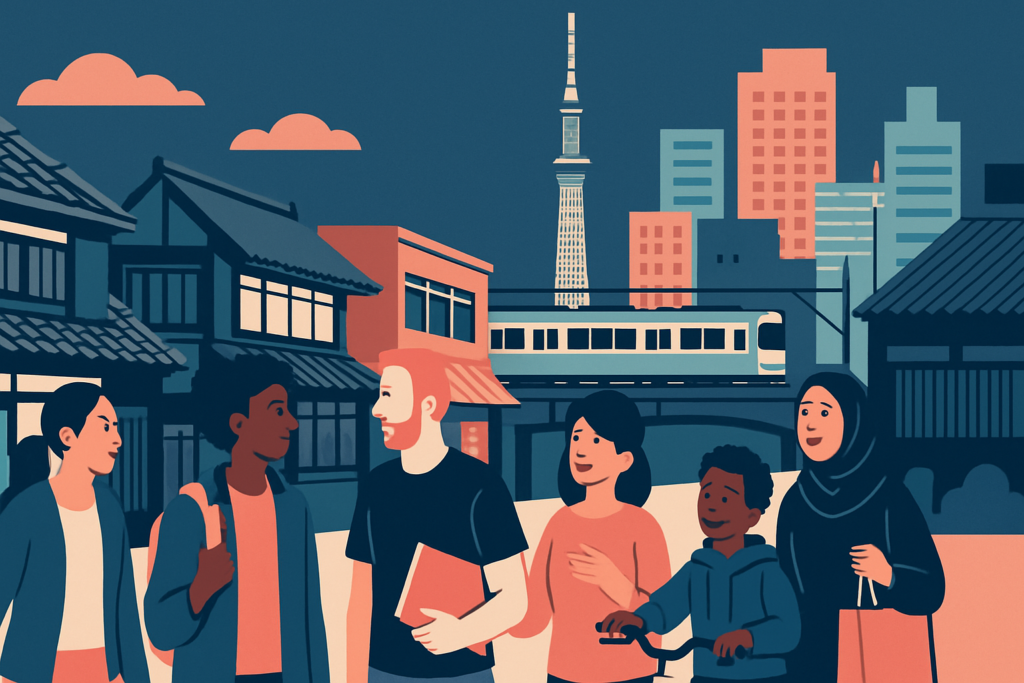
Original edition: historical reference (see the 2026 update above)
Introduction to Kitasenju
Kitasenju (北千住) stands as one of Tokyo’s most dynamic transportation hubs and a quintessential shitamachi (traditional downtown) neighborhood in Adachi Ward. Located in northeastern Tokyo, Kitasenju offers foreign residents an authentic Tokyo experience with significantly more affordable living costs compared to central areas, while maintaining excellent connectivity to major business districts. This complete guide provides essential information for foreign residents considering making Kitasenju their home.
View Kitasenju Station on Google Maps
Population and Foreign Resident Statistics
According to the Adachi Ward official statistics (as of January 1, 2024), Adachi Ward has a total population of approximately 692,000 residents. The ward’s foreign resident population stood at approximately 24,500 as of the same reference date, representing roughly 3.5% of the total population. The major foreign resident nationalities include Chinese, Vietnamese, Korean, Filipino, and Nepalese communities.
Kitasenju area, as the commercial and transportation center of Adachi Ward, hosts a diverse international community, with particular concentrations in the neighborhoods surrounding the station. The area has seen steady growth in foreign residents over the past decade, supported by improving multilingual services and community integration programs.
Source: Adachi Ward Official Statistics (足立区公式統計), January 2024
Transportation and Commute
Kitasenju Station ranks among Tokyo’s busiest railway stations and serves as a super-junction with five different railway lines:
- JR Joban Line – Direct access to Tokyo, Shinagawa, and Ueno
- Tokyo Metro Hibiya Line – Connects to Ginza, Roppongi, and Nakameguro
- Tokyo Metro Chiyoda Line – Links to Otemachi, Kasumigaseki, and Yoyogi-Uehara
- Tobu Skytree Line – Access to Asakusa, Tokyo Skytree, and destinations north to Nikko
- Tsukuba Express – Fast connection to Akihabara and Tsukuba Science City
Estimated Commute Times from Kitasenju
- Tokyo Station: Approximately 20 minutes (JR Joban Line)
- Shibuya: Approximately 35 minutes (Chiyoda Line to Omotesando, transfer to Ginza Line)
- Shinjuku: Approximately 30 minutes (Chiyoda Line to Yoyogi, transfer to Yamanote Line)
- Akihabara: Approximately 10 minutes (Tsukuba Express)
- Otemachi: Approximately 25 minutes (Chiyoda Line direct)
- Roppongi: Approximately 30 minutes (Hibiya Line direct)
Note: Commute times are estimates and may vary depending on time of day, transfers, and service patterns.
RENTAL LISTING SNAPSHOT
Real rental examples around Kitasenju
These listings were found on SUUMO and checked on October 20, 2026. Availability changes quickly. For foreign-resident acceptance, guarantor requirements, documents, initial costs or detailed conditions, ask Japan Live before applying.
築6年
JR常磐線/北千住駅 歩10分
東京都足立区千住5Get move-in tips →
Source listing on SUUMO ↗
築2年
東京メトロ千代田線/北千住駅 歩10分
東京都足立区千住中居町Get move-in tips →
Source listing on SUUMO ↗
築12年
JR常磐線/北千住駅 歩10分
東京都足立区千住宮元町Get move-in tips →
Source listing on SUUMO ↗
Browse all current Kitasenju rentals on SUUMO ↗
Checked October 20, 2026. Listings are examples, not recommendations. Japan Live is not the listing agent and does not guarantee availability or approval.
Rent Estimates
Important Notice: The following rent ranges are estimates based on market surveys from late 2024/early 2025 and are subject to change. Actual rents vary significantly based on building age, distance from station, facilities, and individual property conditions. Always verify current prices directly with real estate agents.
Estimated Monthly Rent Ranges (Kitasenju Area)
- Studio/1K (20-25㎡): ¥55,000 – ¥75,000
- 1DK (25-30㎡): ¥70,000 – ¥90,000
- 1LDK (35-45㎡): ¥85,000 – ¥120,000
- 2LDK (50-60㎡): ¥110,000 – ¥160,000
- 3LDK (65-75㎡): ¥140,000 – ¥200,000
These estimates represent typical market rates for properties within 10 minutes walk from Kitasenju Station. Properties further from the station or in older buildings may be 10-30% less expensive, while newly constructed or renovated properties with premium features may exceed these ranges.
Shopping and Commercial Facilities
Kitasenju offers extensive shopping options ranging from traditional shotengai (shopping streets) to modern department stores:
Major Shopping Facilities
- Lumine Kitasenju – Modern shopping complex directly connected to the station, featuring fashion, dining, and lifestyle goods
- Marui Kitasenju – Department store with fashion, household goods, and restaurants
- Kitasenju Marche – Shopping mall with supermarket, specialty stores, and services
- Kitasenju Station Shopping Street – Traditional covered arcade with diverse shops and restaurants
- Senju Shotengai – Historic shopping street preserving the shitamachi atmosphere
Supermarkets and Daily Shopping
- Ito Yokado Kitasenju – Large-scale supermarket with extensive food and household sections
- Seiyu Kitasenju – 24-hour supermarket near the station
- Life Supermarket – Multiple locations in the area
- Gyomu Super – Budget-friendly option with bulk items
- OK Store – Discount supermarket popular with locals
Note: Business hours and locations may change. Verify current operating status before visiting.
Medical Facilities and Healthcare
Adachi Ward provides comprehensive healthcare services with multiple facilities offering support for foreign residents:
Major Hospitals Near Kitasenju
- Tokyo Metropolitan Bokutoh Hospital (東京都立墨東病院) – Major emergency and general hospital, approximately 15 minutes by train, emergency services available 24/7
- Adachi Kyosai Hospital (足立共済病院) – General hospital with multiple departments, approximately 20 minutes by bus from Kitasenju
- Senju Hospital (千住病院) – Local hospital near Kitasenju Station with general practice and specialist departments
- Ayase Heart Hospital (綾瀬循環器病院) – Specialized cardiovascular care
Clinics and Local Medical Care
The Kitasenju area has numerous neighborhood clinics (kurinikku/クリニック) covering:
- General internal medicine (naika/内科)
- Pediatrics (shonika/小児科)
- Dentistry (shika/歯科)
- Dermatology (hifuka/皮膚科)
- Orthopedics (seikei geka/整形外科)
- Obstetrics and gynecology (sanfujinka/産婦人科)
For a current directory of medical facilities in Adachi Ward, consult the official Adachi Ward Medical Information System or visit the ward office. Some facilities offer multilingual support – inquire in advance.
Source: Adachi Ward Health Department (足立区保健所)
Municipal Services and Government Procedures
Adachi Ward Office (足立区役所)
Main Office Address: 3-45-16 Senju, Adachi-ku, Tokyo 120-8510
Access: 15-minute walk from Kitasenju Station, or take bus from Kitasenju Station West Exit
Opening Hours: Monday-Friday, 8:30 AM – 5:00 PM (some services available on selected Sundays – check official website)
Essential Procedures for Foreign Residents
When moving to Kitasenju, foreign residents must complete the following procedures:
- Residence Registration (転入届/Tennyu-todoke) – Must be completed within 14 days of moving. Bring residence card (zairyu card), passport, and new address details.
- National Health Insurance (国民健康保険/Kokumin Kenko Hoken) – Register at the ward office if not enrolled in employee insurance. Bring residence card and passport.
- National Pension (国民年金/Kokumin Nenkin) – Required for residents aged 20-59. Register at the ward office.
- My Number Card (マイナンバーカード) – Apply at the ward office for this important identification card.
- Residence Card Address Update – Report address change to immigration or ward office within 14 days.
For moving out procedures, submit a moving-out notification (転出届/Tenshutsu-todoke) before or immediately after relocation.
Kitasenju Branch Office
For convenience, Adachi Ward operates branch offices that handle many common procedures. The nearest branch office to Kitasenju Station offers services including residence registration, certificate issuance, and consultations.
Multilingual Support Services
Adachi Ward recognizes the needs of its diverse foreign resident population and provides several multilingual support services:
Adachi Ward Multicultural Community Center
The ward operates multilingual consultation services for foreign residents covering:
- Daily life consultations
- Housing and neighborhood issues
- Employment and work-related questions
- Education and childcare
- Legal and administrative procedures
Languages supported: English, Chinese, Korean, and other languages depending on availability (check current schedule)
Multilingual Information Resources
- Adachi Ward Official Website – Offers machine translation and some sections in multiple languages
- Living Information Guide – Printed guides available in multiple languages at ward office
- Emergency Information – Disaster prevention information available in simplified Japanese and foreign languages
- Tokyo Metropolitan Government Multilingual Call Center – Available for consultation in multiple languages
The ward also provides interpretation support for important procedures upon request – contact the ward office in advance to arrange.
Source: Adachi Ward Multicultural Community Section (足立区多文化共生推進課)
Educational Facilities
International and Language Education
While Kitasenju does not host major international schools, several options exist for foreign families:
- Public elementary and junior high schools with Japanese language support programs for foreign children
- Private language schools and after-school programs
- Japanese language schools for adult learners (multiple schools near Kitasenju Station)
- Access to international schools in central Tokyo within 30-40 minutes commute
Higher Education
The area has several universities and vocational schools:
- Tokyo University of Science, Senju Campus – Located near Kitasenju
- Tokyo Metropolitan University – Accessible via public transportation
- Various specialized vocational schools (senmon gakko)
Parks and Recreation
- Senju Sports Park (千住スポーツ公園) – Large park with sports facilities and green spaces
- Arakawa River Green Belt – Riverside parks perfect for jogging, cycling, and outdoor activities
- Genkaku-ji Temple (源覚寺) – Historic Buddhist temple
- Shobu-numa Park (しょうぶ沼公園) – Beautiful iris garden, particularly scenic in June
Cultural Characteristics
Kitasenju retains strong shitamachi character – the traditional working-class Tokyo atmosphere with friendly neighborhood relationships, local festivals (matsuri), and preserved historical elements. The area balances this traditional character with modern development, creating a unique living environment different from Tokyo’s western suburbs or central business districts.
The neighborhood has a reputation for authenticity, with long-established shops, traditional restaurants, and a strong sense of community. Foreign residents often find Kitasenju locals welcoming and helpful, particularly in traditional shopping streets where shopkeepers may take time to assist customers despite language barriers.
Pros of Living in Kitasenju
- Exceptional Transportation Access – Five railway lines provide direct access to major business and entertainment districts across Tokyo
- Affordable Cost of Living – Rents typically 30-40% lower than central Tokyo wards like Shibuya, Shinjuku, or Minato
- Comprehensive Shopping – Everything from modern malls to traditional markets within walking distance
- Authentic Tokyo Atmosphere – Experience traditional shitamachi culture while maintaining modern convenience
- Improving Multilingual Support – Growing services for foreign residents as the international community expands
- Growing Area – Continuous development and improvement of facilities and services
- Strong Local Community – Active neighborhood associations and community events
- Food Scene – Diverse dining from traditional izakaya to international restaurants at reasonable prices
- Educational Facilities – University presence brings youthful energy and cultural opportunities
- Riverside Access – Proximity to Arakawa River provides outdoor recreation space
Cons of Living in Kitasenju
- Distance from Central Tokyo – Located in northeastern Tokyo, farther from traditional expat areas like Minato and Shibuya wards
- Limited International Community Infrastructure – Fewer international schools, foreign-language services, and international grocery stores compared to central areas
- Station Congestion – Kitasenju Station can be extremely crowded during rush hours due to its role as a major transfer hub
- Older Building Stock – Many residential buildings are older, though this contributes to lower rents
- Fewer English Services – Less English support in daily transactions compared to areas with larger foreign populations
- Perception Issues – Adachi Ward historically had a working-class image, though this is changing with development
- Noise – Some areas near the station and train lines experience significant noise
- Limited Green Space – Less park area compared to suburban wards, though riverside areas provide some relief
- Flooding Risk – Some low-lying areas have flood risk; check hazard maps when selecting residence
Moving to Kitasenju: Complete Checklist
Before Moving
- Research properties and neighborhoods; consider visiting at different times of day
- Check flood hazard maps (ハザードマップ) for your intended address on Adachi Ward website
- Verify commute times to your workplace during actual commuting hours
- Prepare required documents: passport, residence card, employment certificate, guarantor information
- Budget for initial costs: typically 4-6 months’ rent (deposit, key money, agent fees, first month’s rent)
- Arrange moving company or transportation
- Submit moving-out notification at your current ward office (if applicable)
Within 14 Days of Moving
- Submit residence registration (転入届) at Adachi Ward Office
- Update residence card address
- Register for National Health Insurance (if applicable)
- Register for National Pension (if applicable)
- Register My Number address change
- Set up utilities: electricity, gas, water (often can be done by phone or online)
- Arrange internet connection
- Update bank account address
- Update employer records with new address
After Moving
- Introduce yourself to neighbors (traditional courtesy, though less common in apartments)
- Locate nearest supermarket, convenience stores, and essential services
- Identify your nearest medical facilities and emergency hospitals
- Learn garbage collection schedule and rules (varies by neighborhood)
- Register for neighborhood association (町内会/chonaikai) if desired
- Explore local area and familiarize yourself with transportation options
- Update postal address with all relevant parties
- Consider applying for My Number Card if not already obtained
Frequently Asked Questions
Is Kitasenju safe for foreign residents?
Kitasenju and Adachi Ward generally maintain Tokyo’s characteristically low crime rates. Like all urban areas, standard safety precautions are advisable, particularly late at night near entertainment districts. The area has seen significant improvement and development over recent years. Check current crime statistics on the Metropolitan Police Department website and ask about specific neighborhoods when apartment hunting.
Do I need to speak Japanese to live in Kitasenju?
While Kitasenju has growing multilingual support services, daily life is primarily conducted in Japanese. Basic Japanese language ability significantly improves quality of life for shopping, medical care, and community interaction. However, the ward office provides multilingual consultation services, and many younger residents have some English capability. Language learning resources are readily available in the area.
How does Kitasenju compare to other affordable Tokyo areas?
Kitasenju offers superior transportation access compared to many other affordable areas. While neighborhoods like Nakano, Koenji, or areas along the Chuo Line are also budget-friendly, Kitasenju’s five railway lines provide unmatched connectivity. The trade-off is location in northeastern Tokyo versus the more traditionally popular western areas.
Are there international grocery stores in Kitasenju?
Kitasenju has limited specialized international grocery stores compared to areas like Azabu or Roppongi. However, major supermarkets carry basic international products, and Asian grocery stores (particularly Chinese, Korean, and Southeast Asian) can be found in the area. For specialized Western products, short trips to areas with international supermarkets or online shopping are recommended.
What about earthquake and disaster preparedness?
Adachi Ward provides disaster preparedness information in multiple languages. Some areas near rivers have flood risk – consult hazard maps on the ward website. The ward office can provide information about evacuation centers and disaster supplies. Ensure your residence meets current earthquake safety standards and prepare an emergency kit as recommended for all Tokyo residents.
Can I find English-speaking medical care?
Some medical facilities in Kitasenju have staff with English capability, but this is not universal. The Tokyo Metropolitan Health and Medical Information Center (Himawari) provides a searchable database of medical facilities with foreign language support. For specialized English-speaking care, facilities in central Tokyo are accessible within 30-40 minutes. Consider medical interpretation services or apps when needed.
Is Kitasenju family-friendly?
Kitasenju can be suitable for families, with public schools, parks, and family-oriented facilities. However, families should carefully consider their specific needs regarding international education, as international schools require commuting to other areas. The local community is generally welcoming to children, and childcare facilities are available, though competition can be intense. Consult the ward office about childcare availability and school support for foreign children.
How is the internet and mobile connectivity?
Kitasenju has excellent internet infrastructure with fiber optic services widely available. Major mobile carriers provide strong coverage. Multiple internet service providers operate in the area. When renting, verify what internet options are available for your specific building, as some apartments have restrictions on providers.
Related Resources
For more information about finding the right neighborhood in Tokyo:
- Compare different Tokyo neighborhoods and find your ideal location with our Area Matching Service
- Get personalized support for your move to Tokyo through our Relocation Consultation Service
Conclusion
Kitasenju represents an excellent option for foreign residents seeking affordable Tokyo living without sacrificing accessibility or convenience. The neighborhood’s exceptional transportation connections, comprehensive shopping and services, and authentic Tokyo atmosphere create a compelling package, particularly for those prioritizing budget and commute efficiency over proximity to traditional expat enclaves.
The area continues evolving with new development while preserving its characteristic shitamachi charm. Growing multilingual support services and an expanding international community make Kitasenju increasingly viable for foreign residents, though some adaptation to a more Japanese-oriented environment is necessary compared to heavily international areas.
Success in Kitasenju depends on realistic expectations, willingness to engage with local culture, and appreciation for the neighborhood’s unique character. For those seeking authentic Tokyo living with practical benefits of affordability and access, Kitasenju deserves serious consideration.
Ready to explore if Kitasenju is right for you? Use our neighborhood matching diagnostic tool to compare Kitasenju with other Tokyo areas based on your priorities, or schedule a consultation with our relocation experts for personalized guidance.
Original edition: historical reference (see the 2026 update above)
Disclaimer: This guide provides general information for planning purposes. Official procedures, population statistics, and administrative information are based on official sources as cited. Rent estimates, commercial facility information, and business details may change. Always verify current information with official sources, real estate agents, and service providers before making decisions. Japan Live is not responsible for changes to information or individual experiences.
Where should you live?
Compare neighborhoods using your destination, realistic rent ceiling, commute limit, household and lifestyle priorities. Results are ranked with an explainable score instead of a fixed shortlist.
Travel times and rent bands are planning estimates, not live listings. Always verify the exact route, property and move-in conditions.
We can help you understand what to check before moving: rental documents, move-in costs, utilities, local services and everyday living rules. Tell us what you need help with.
Get practical Japan living tips →